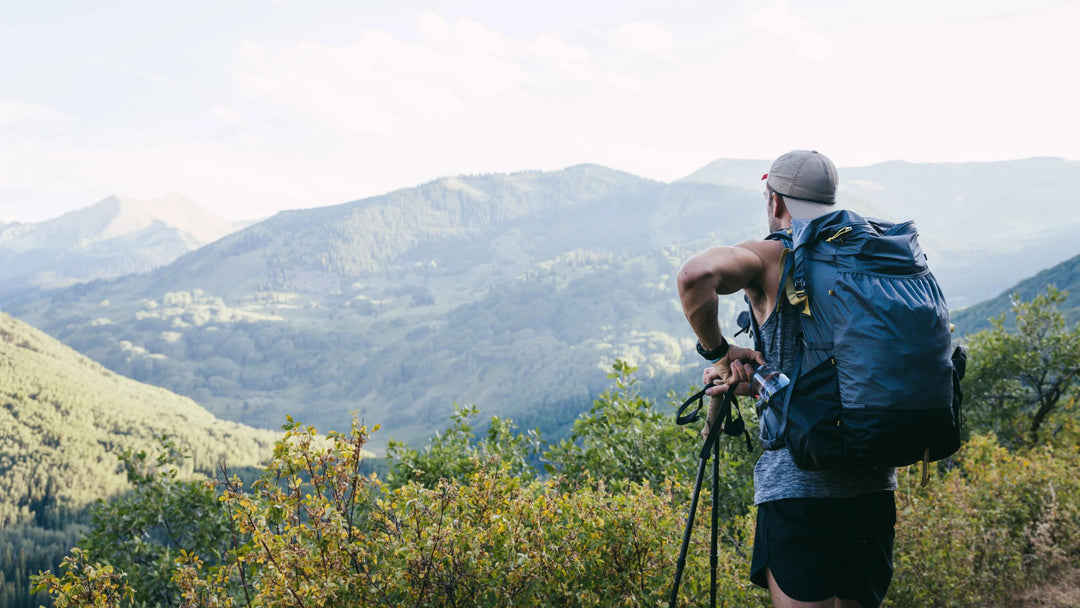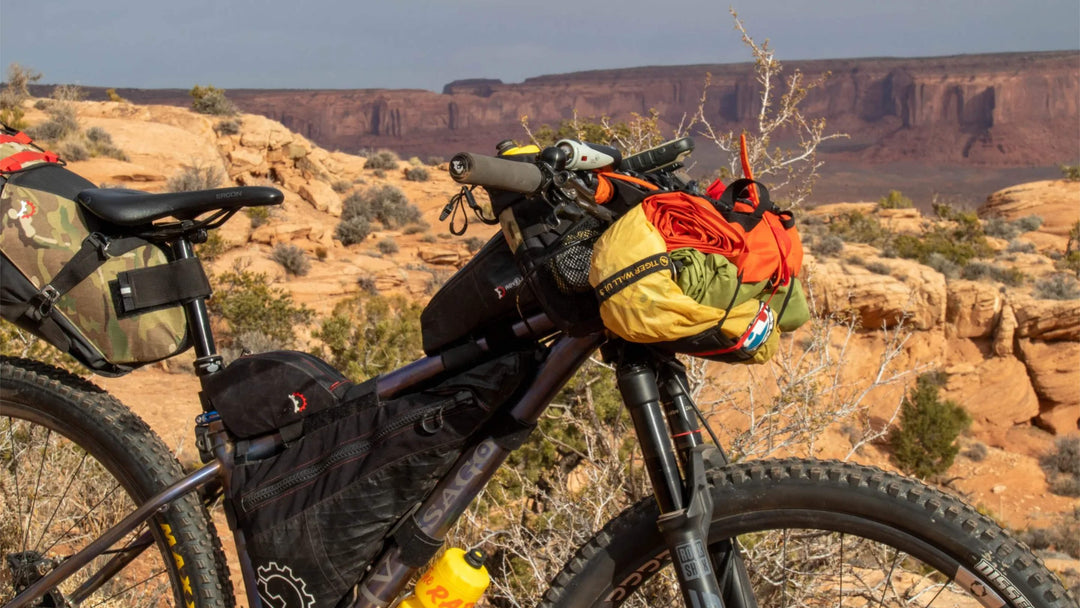
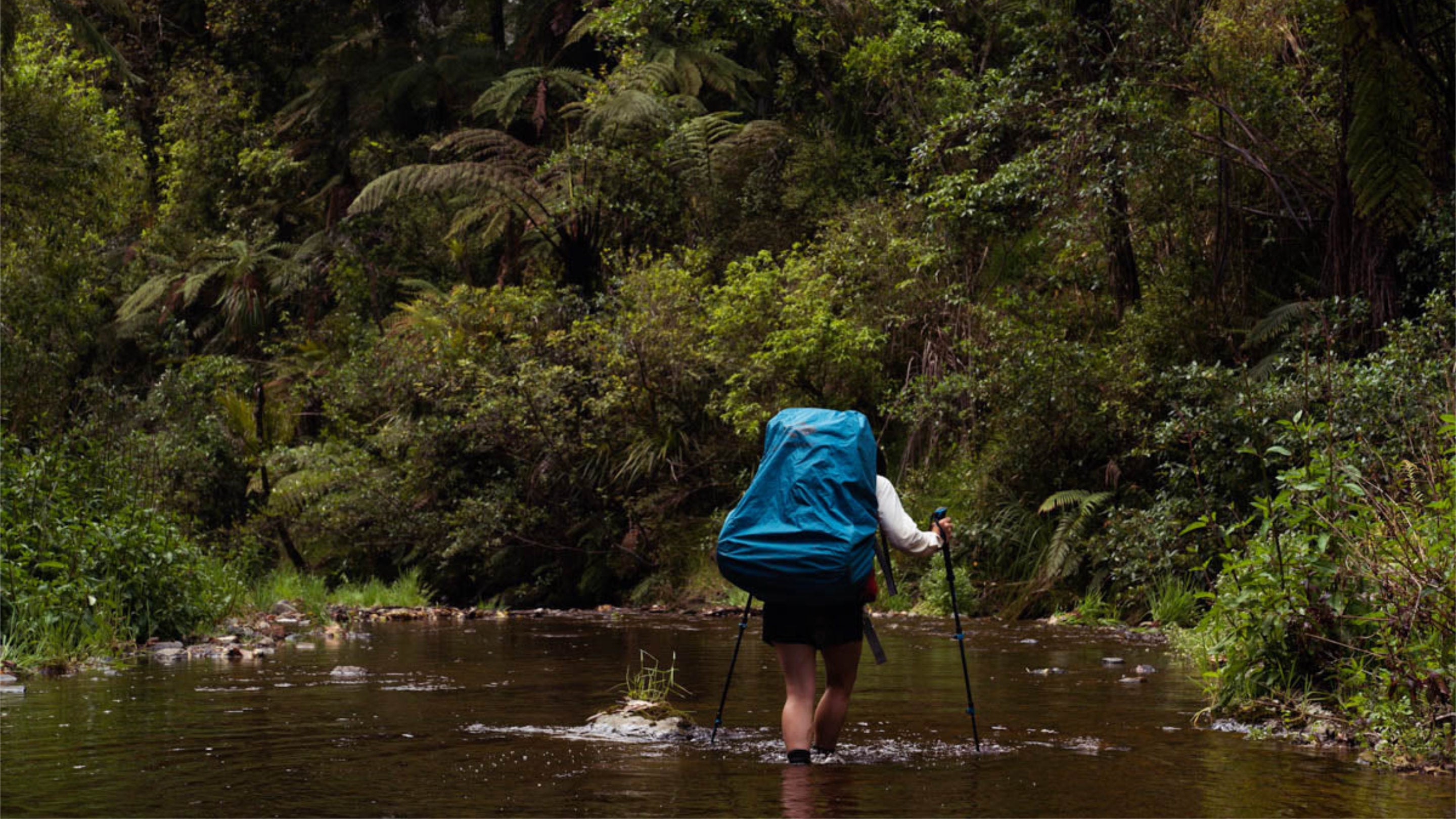
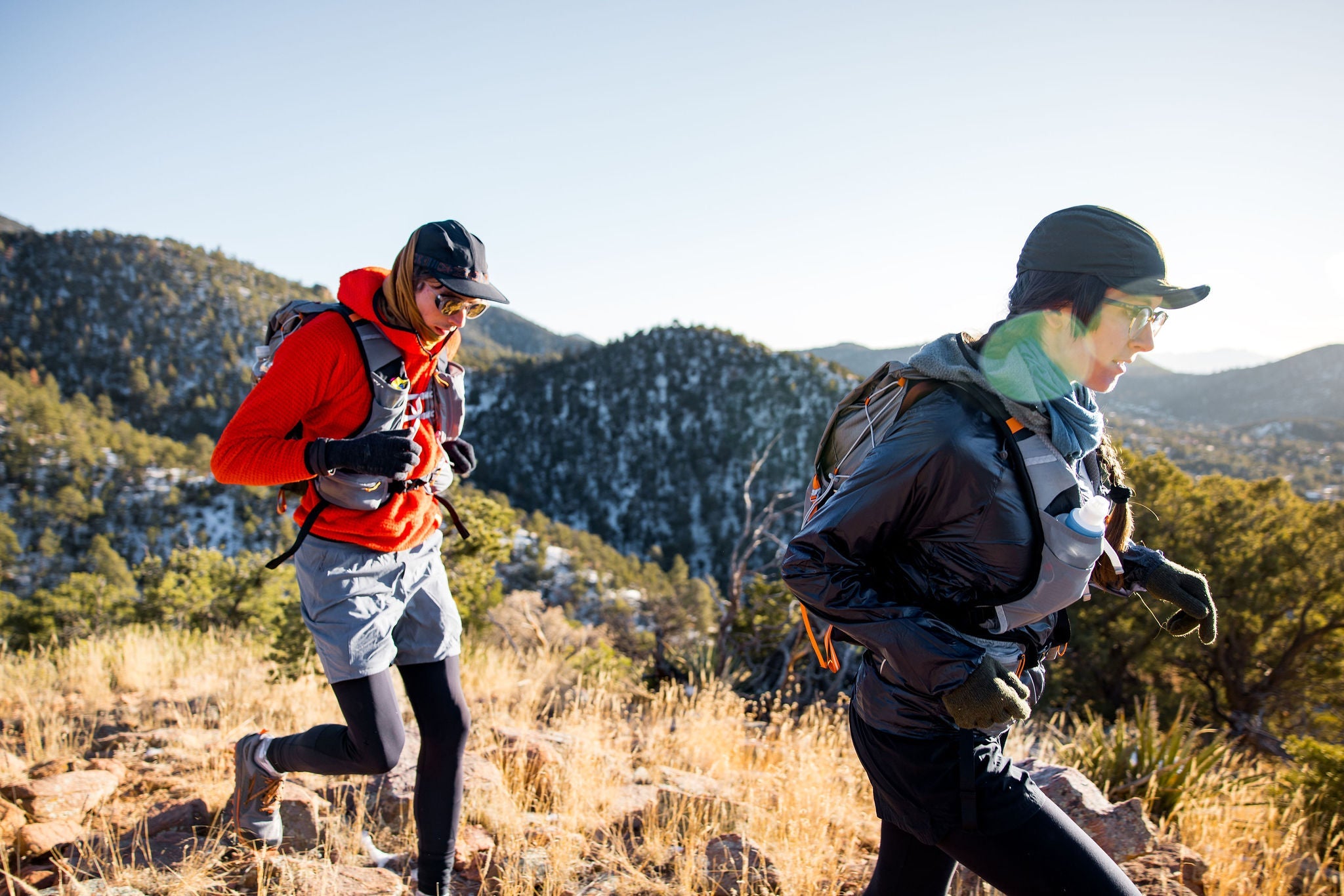
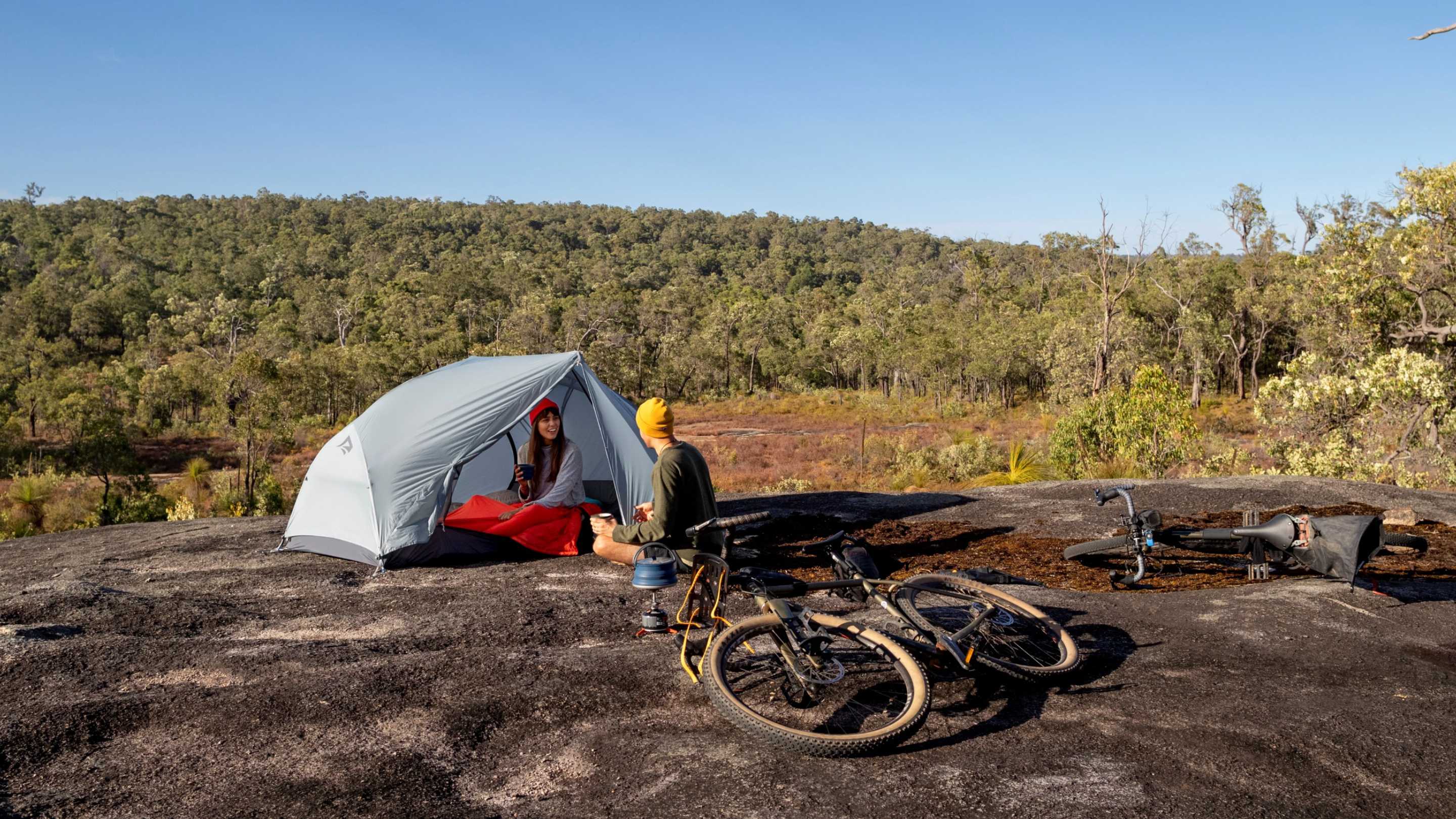
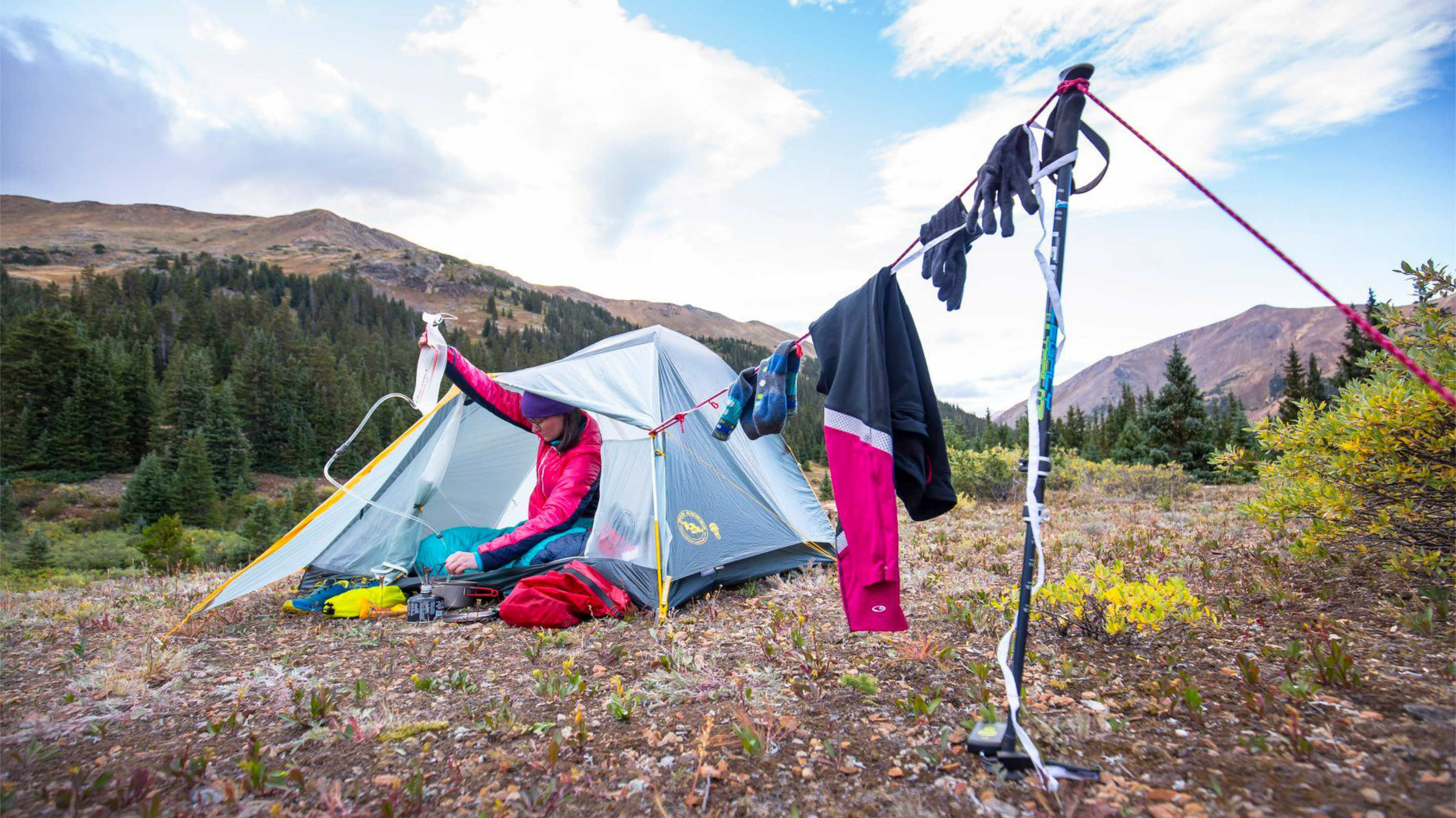

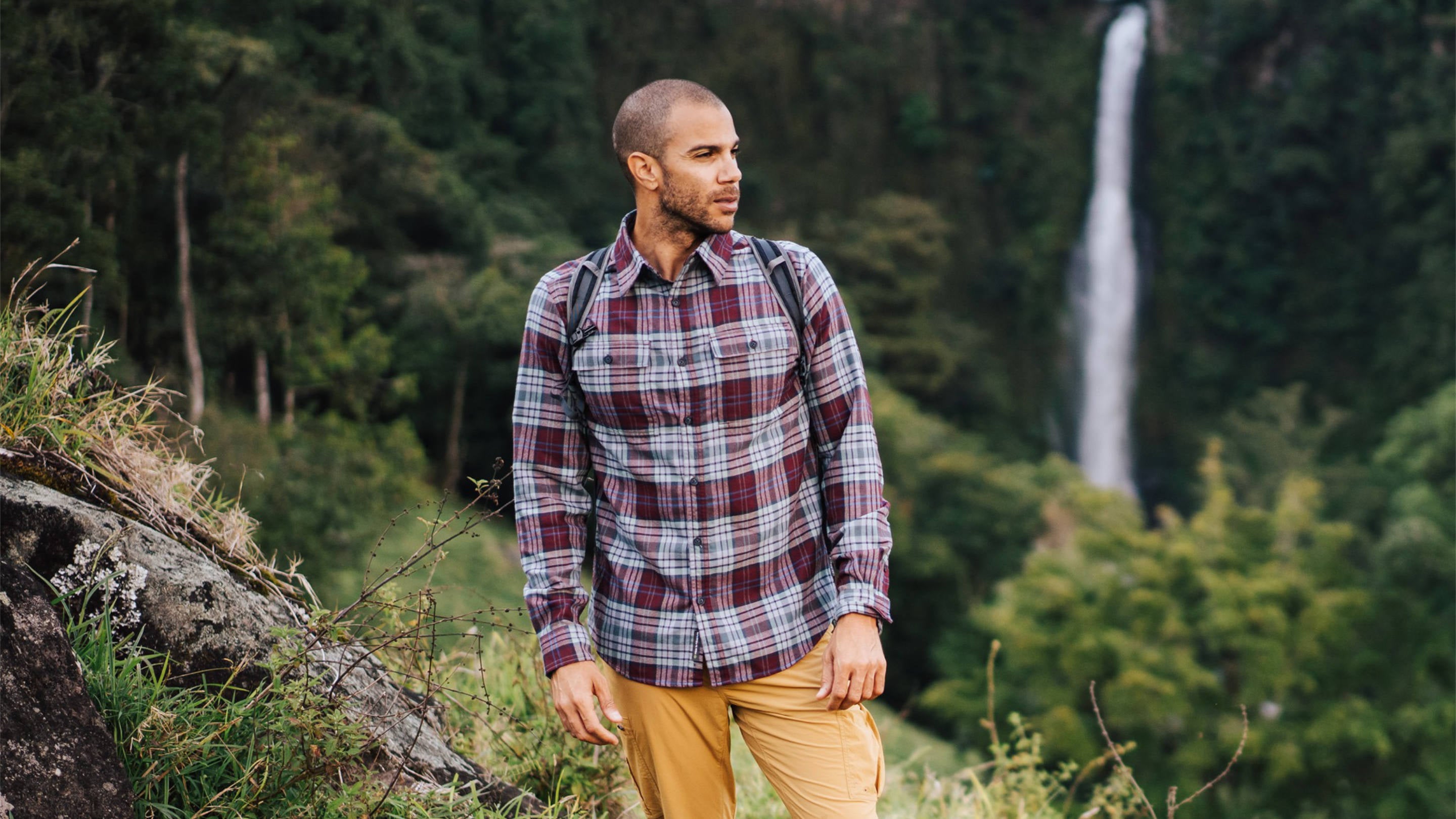
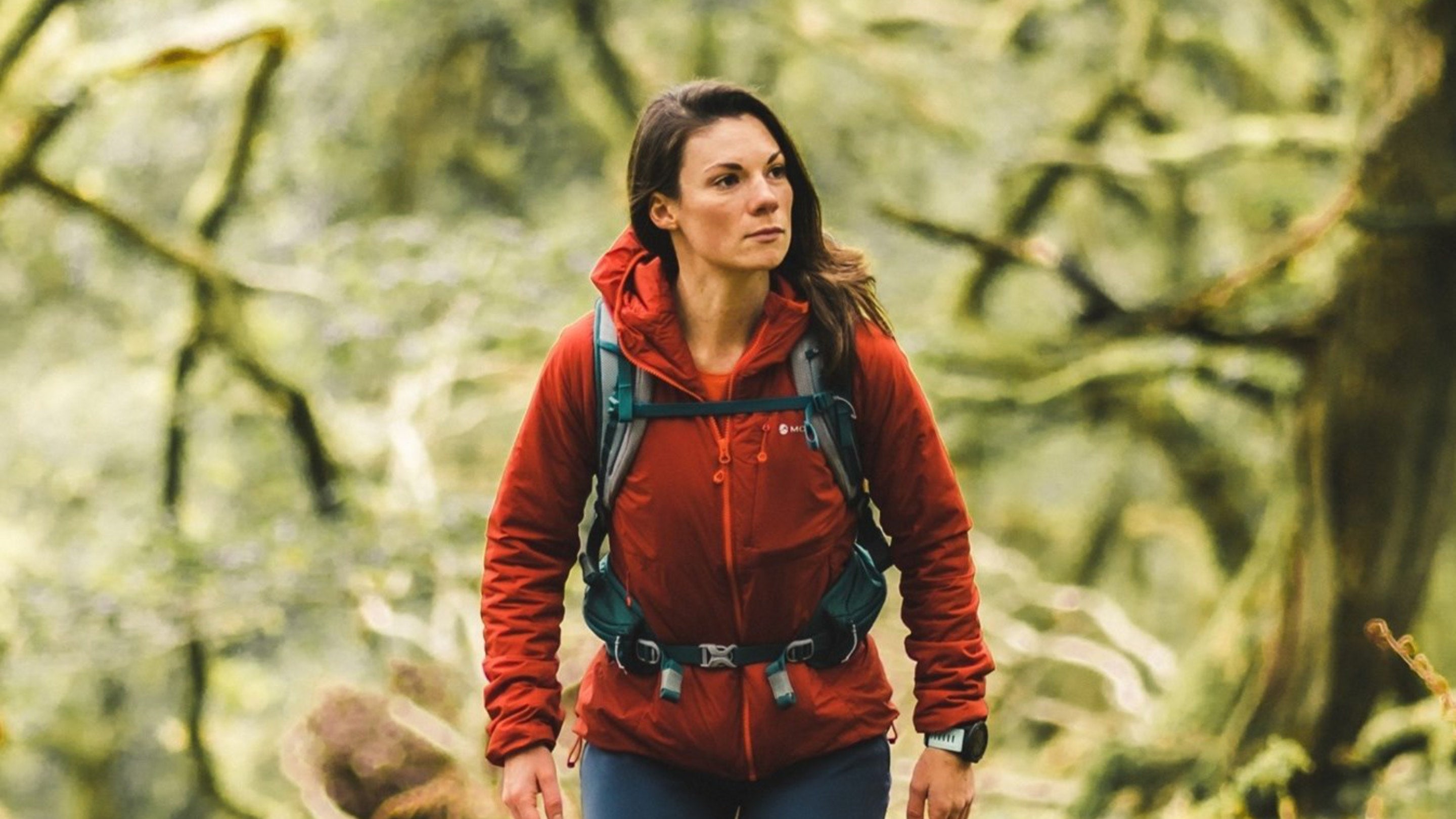
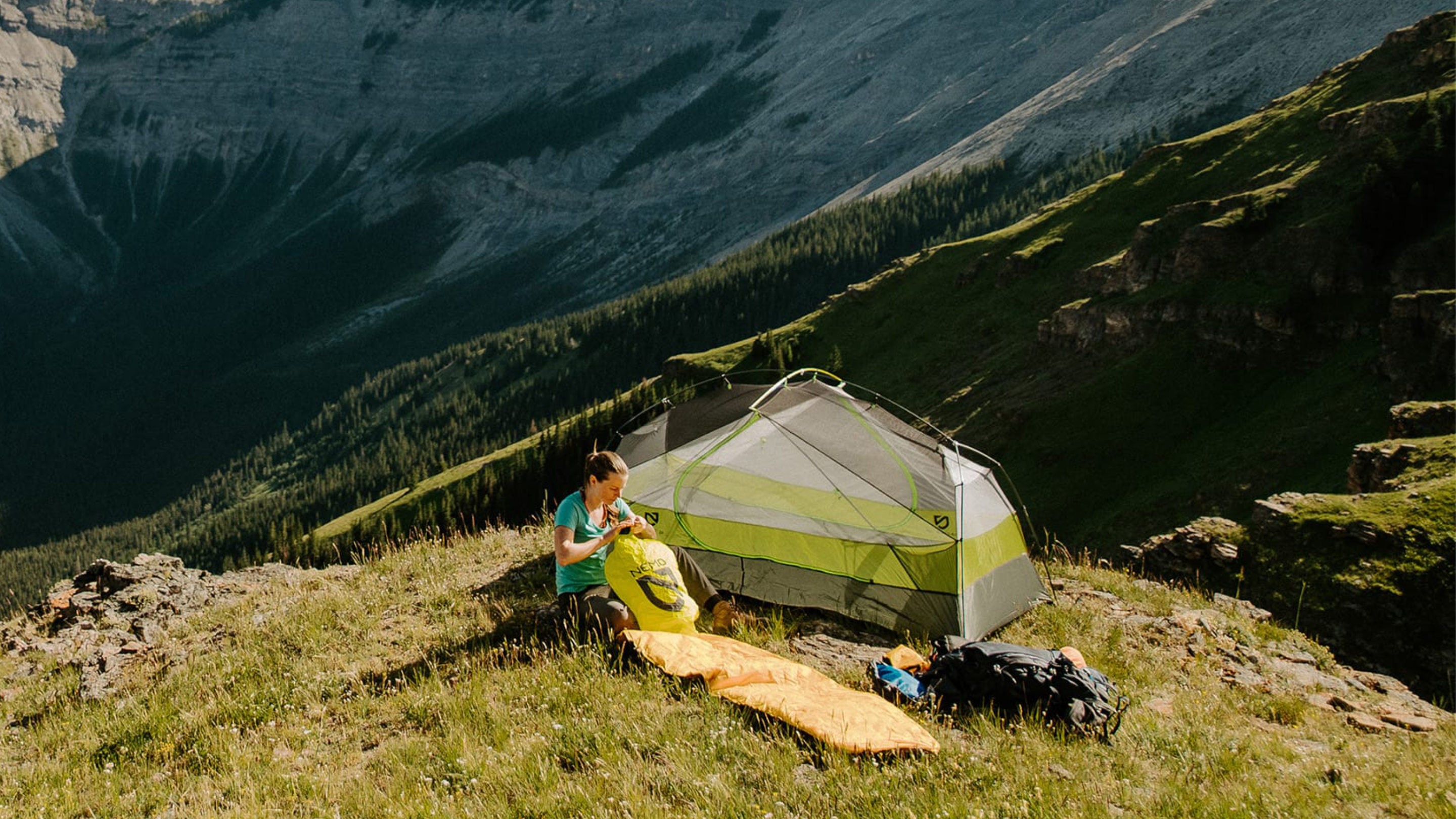
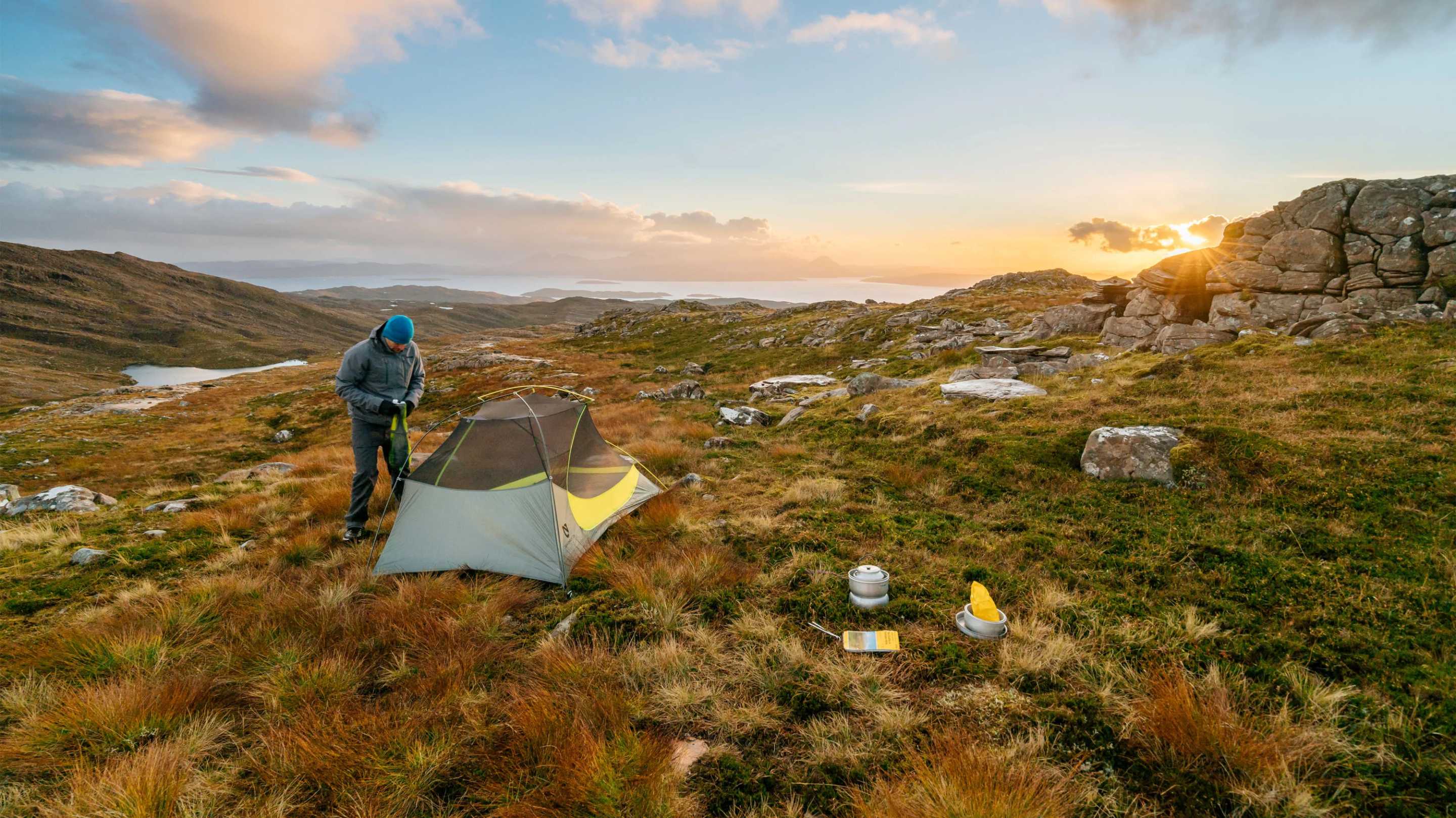

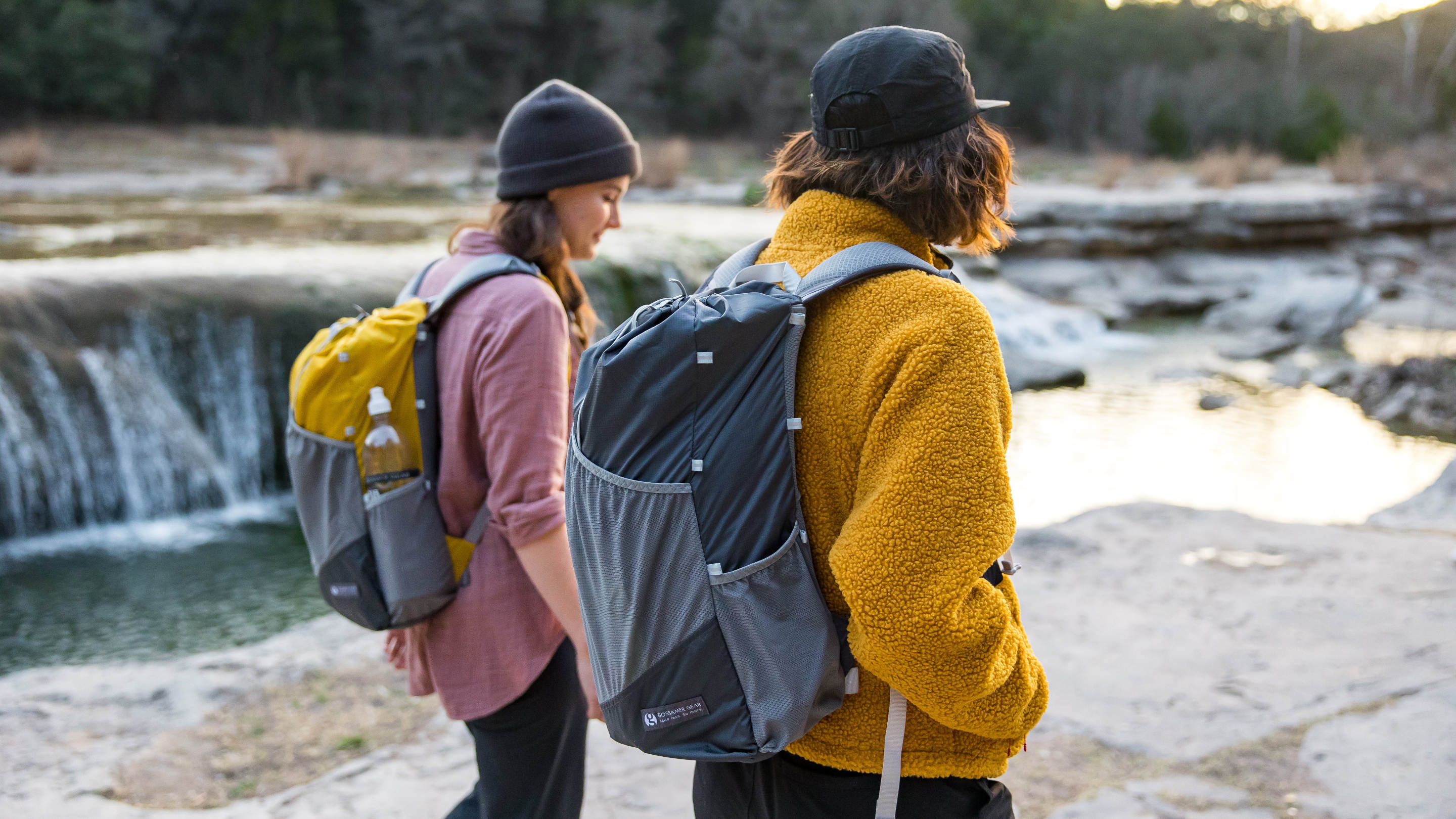
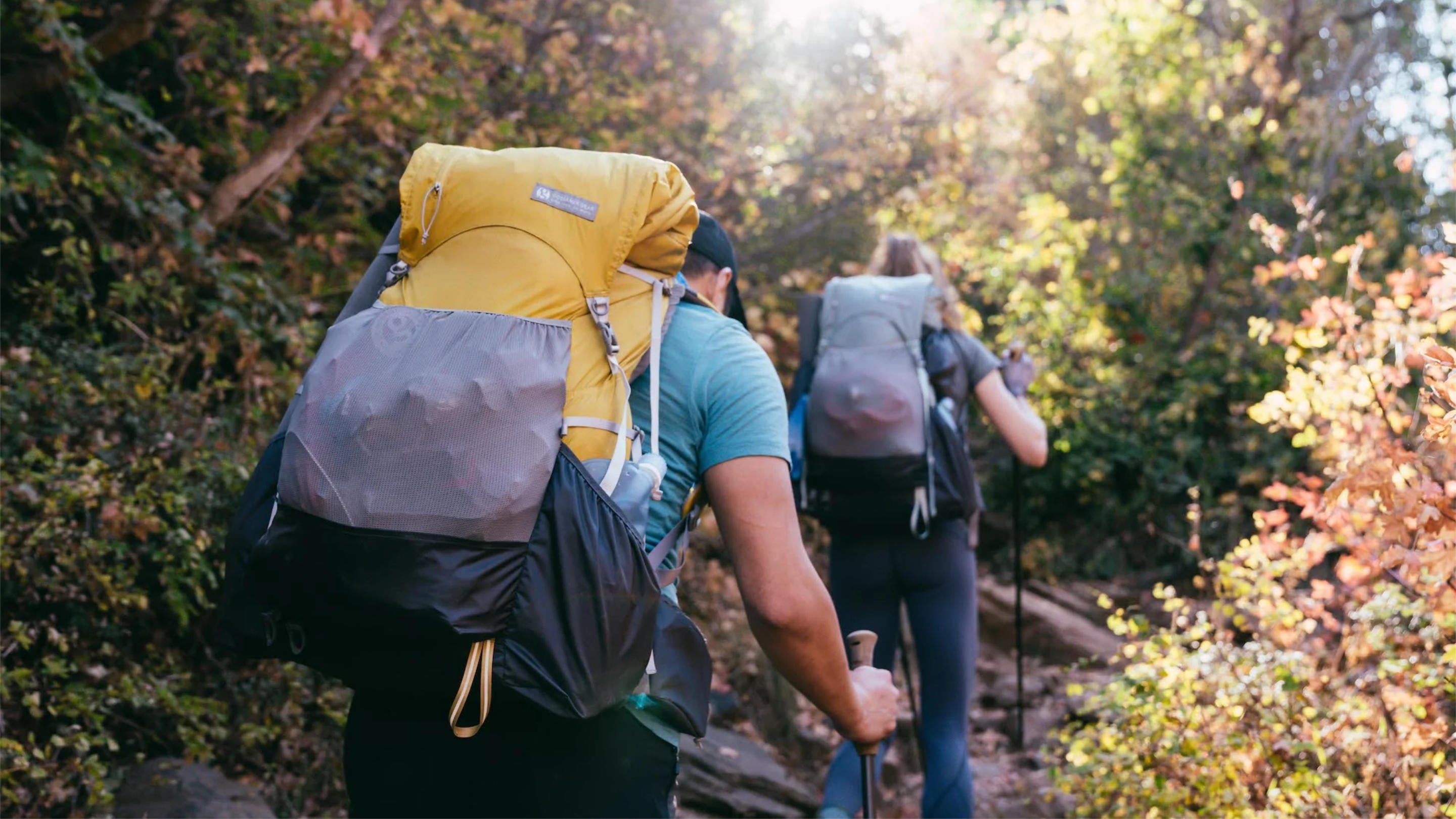
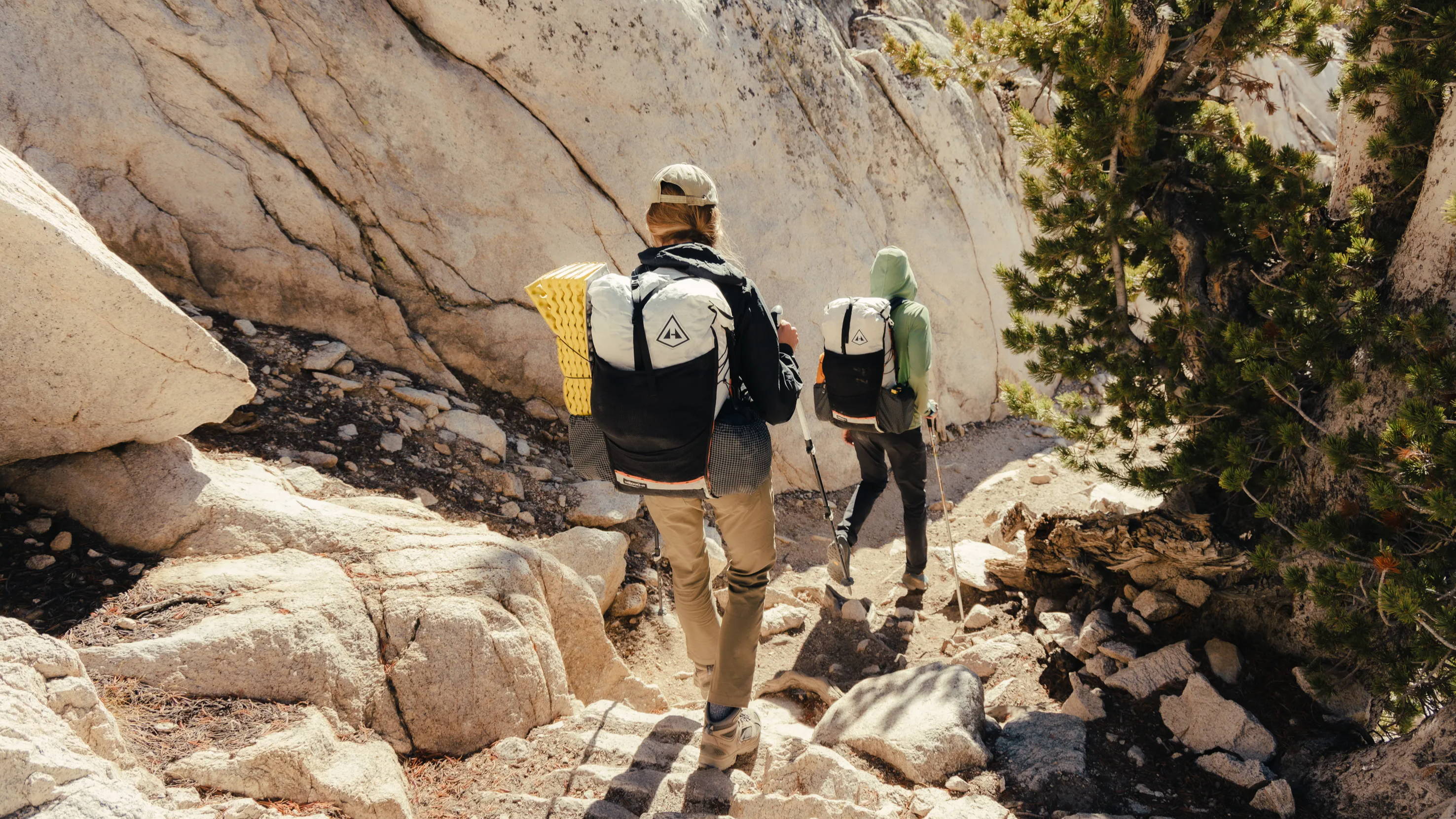
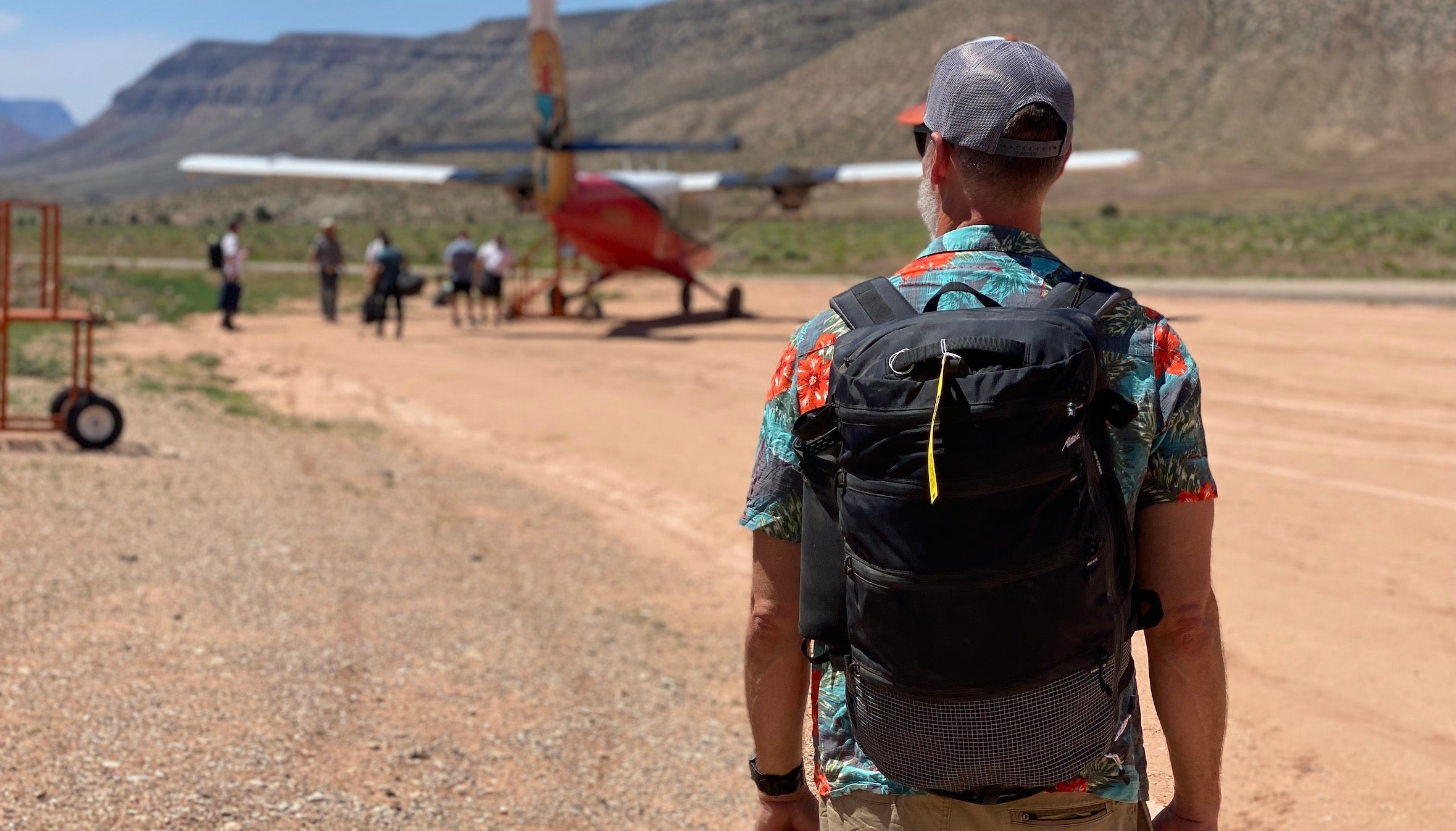
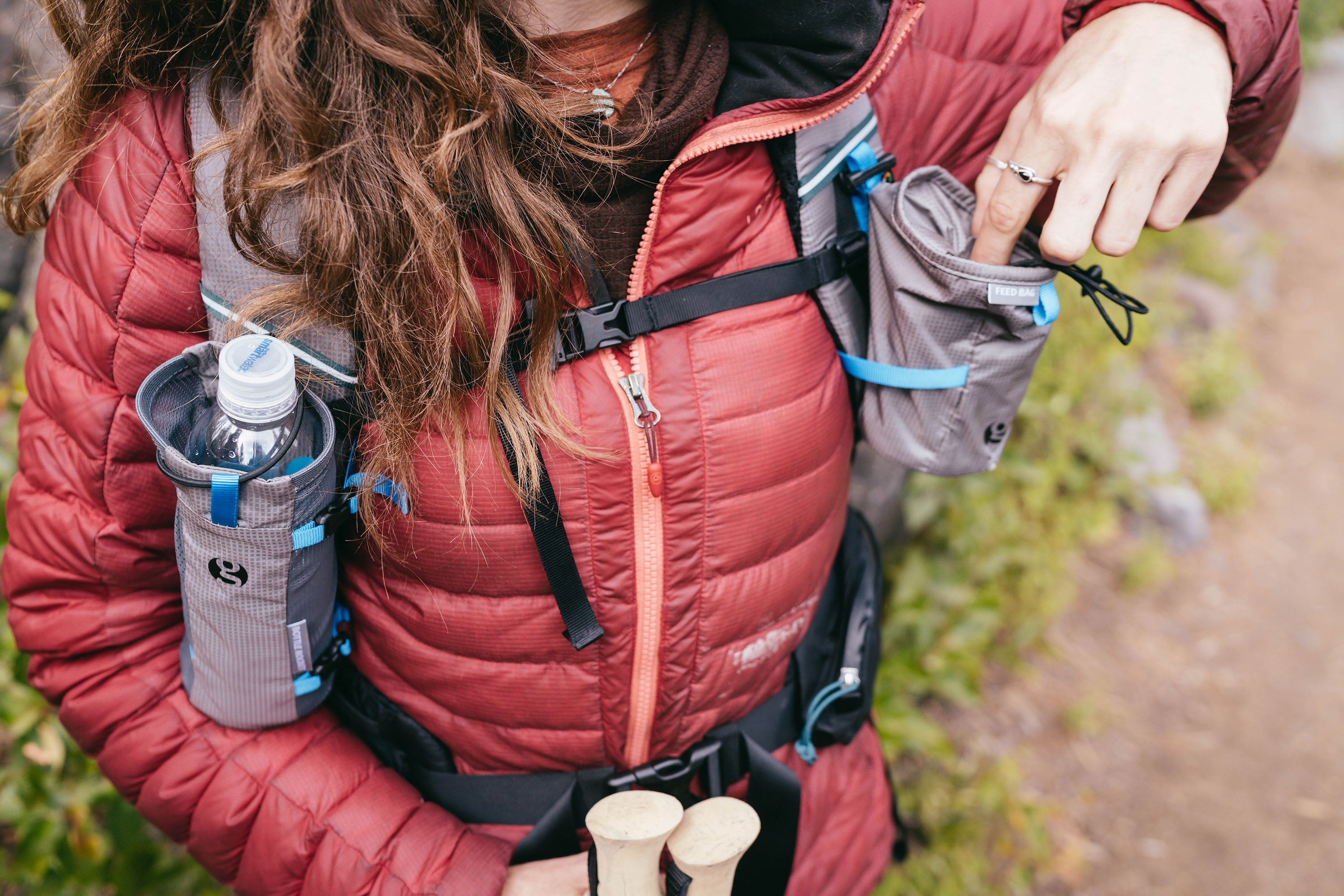
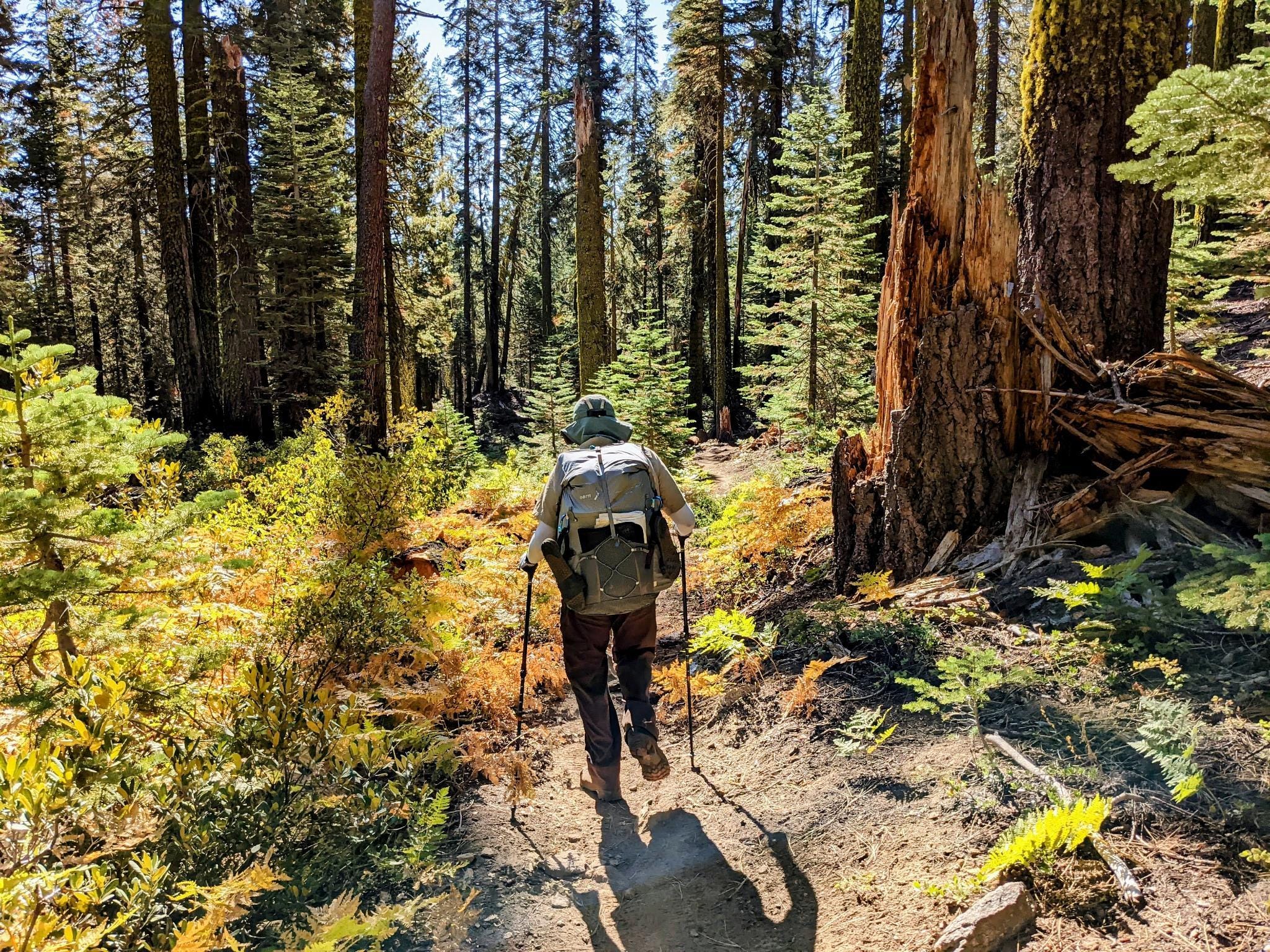
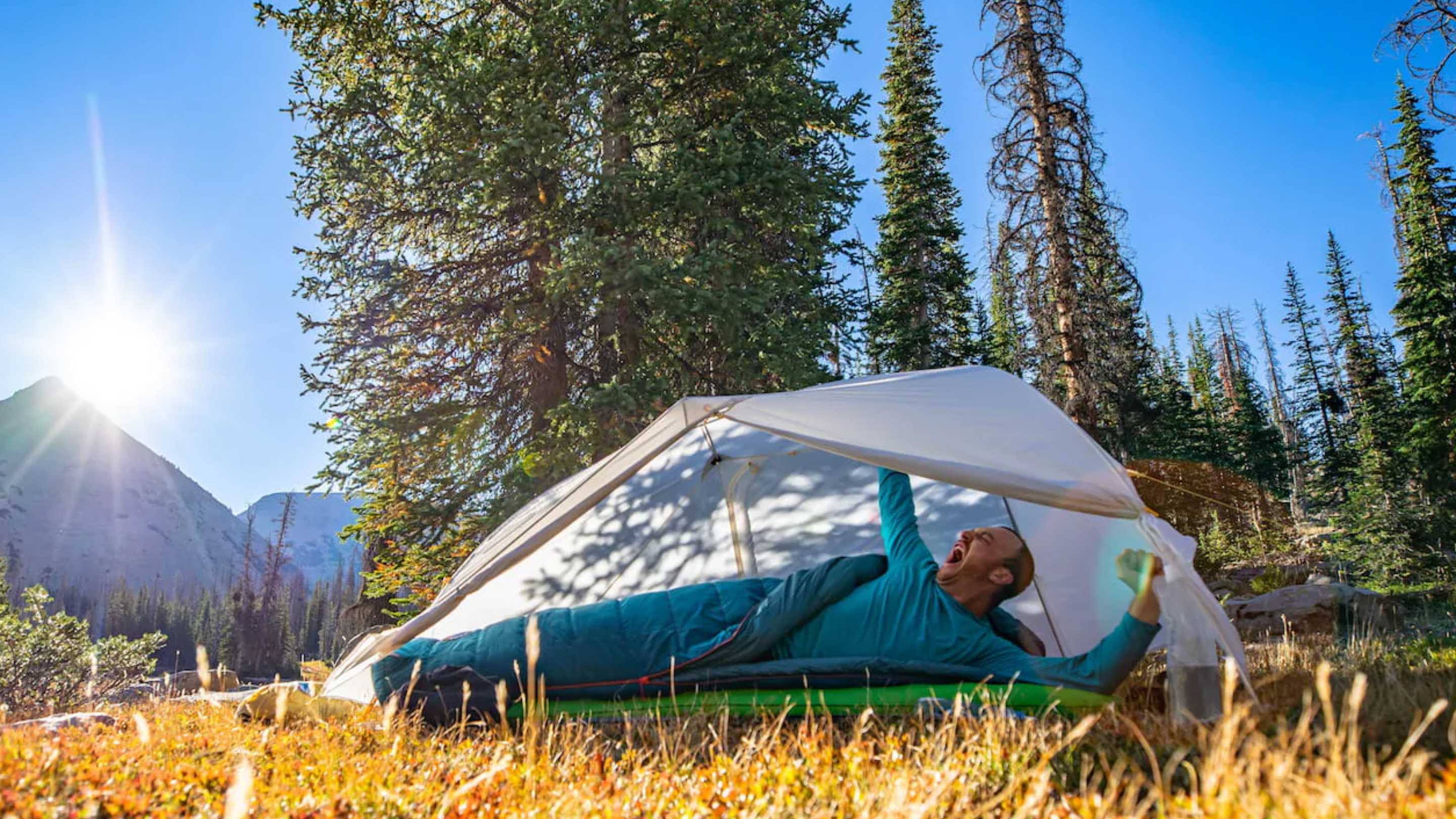
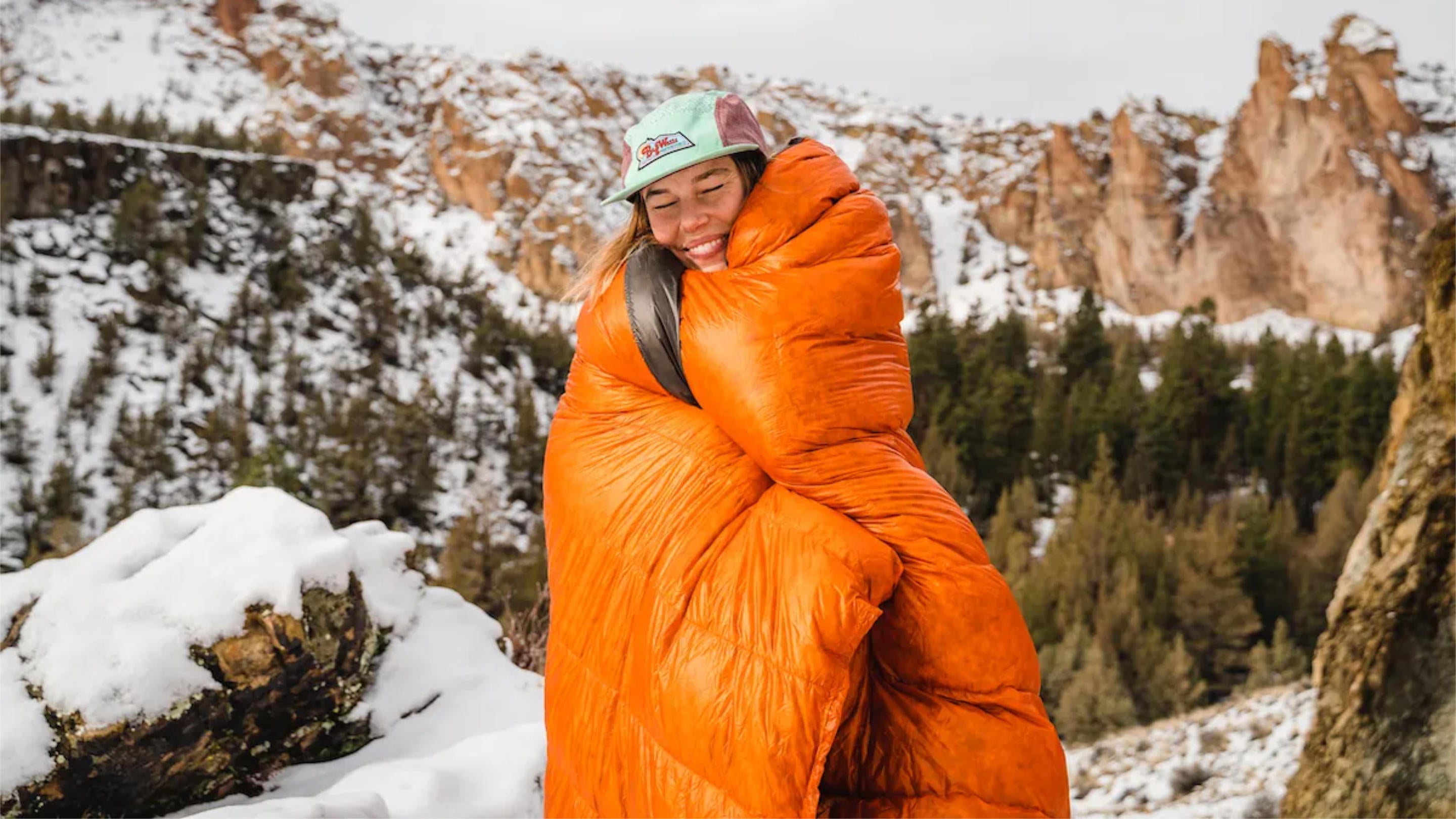
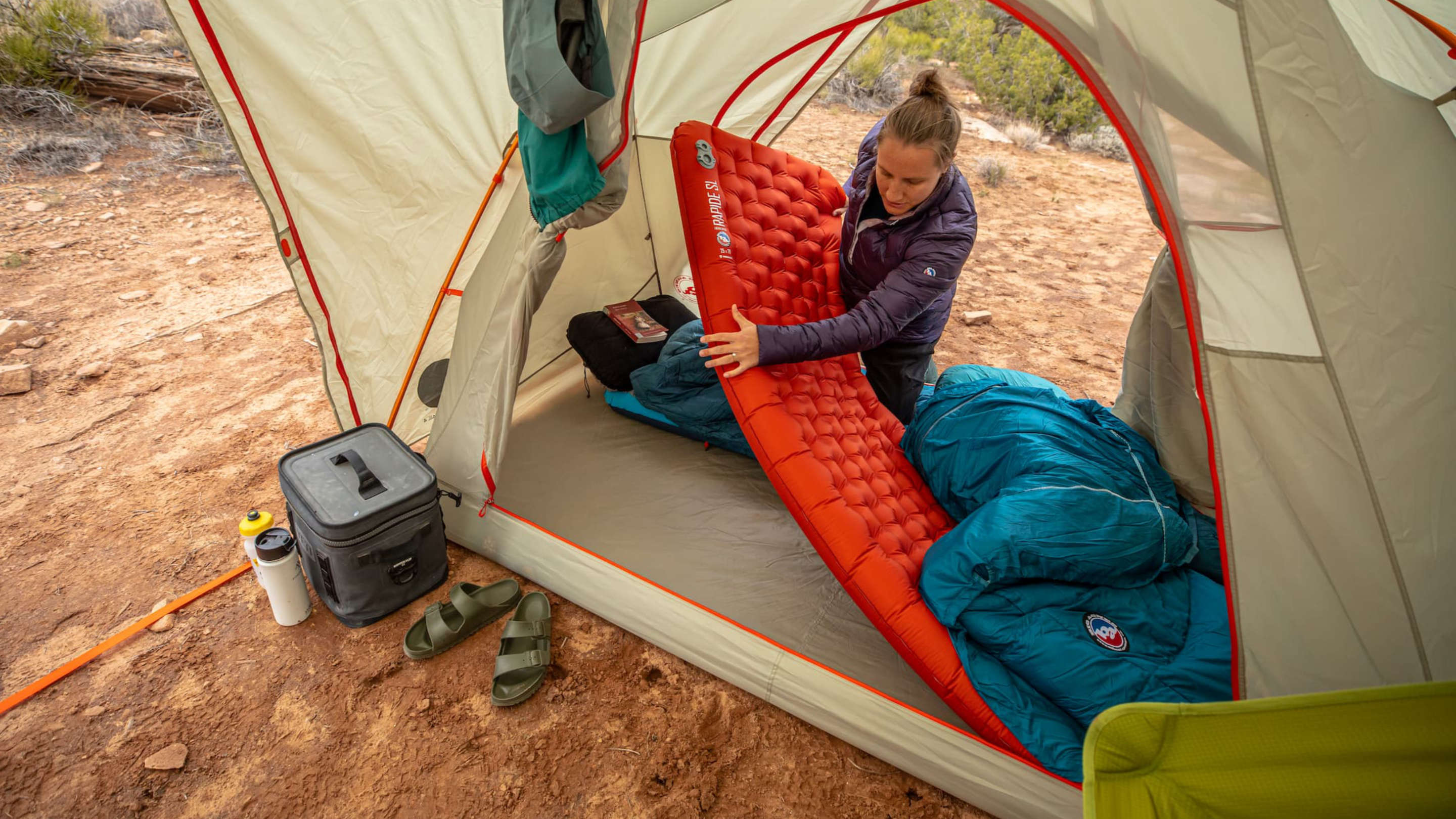
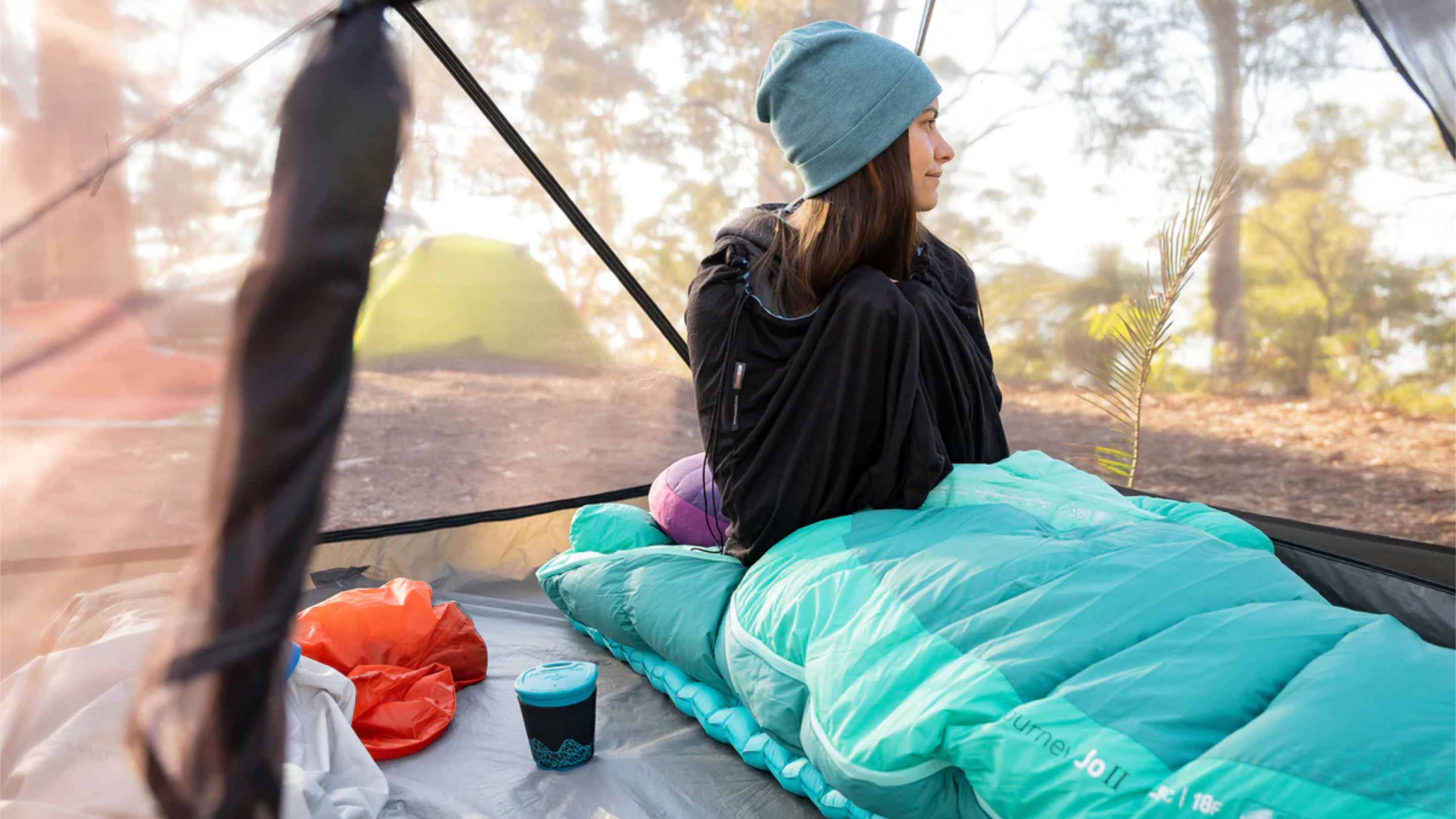
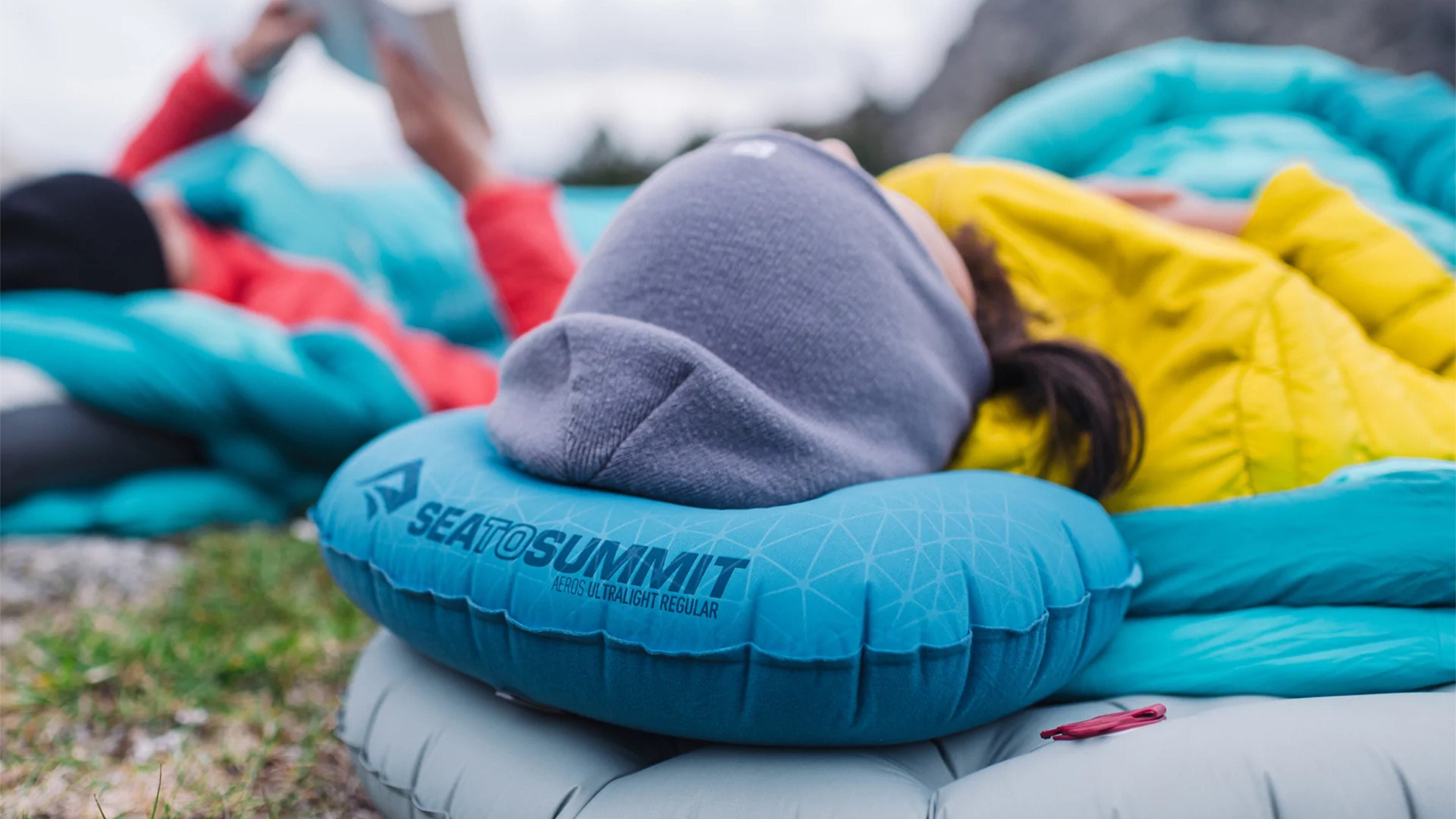


The Three Capes Track is one of Tasmania's most spectacular multi-day walks, and it's proving hugely popular with women's hiking groups keen to take on the dolerite sea cliffs of the Tasman Peninsula together — including one of our own team, Caitlyn, who recently headed out on the track with a women's hiking group, Girls With Altitude.
This guide breaks down exactly what to pack, organised by category, with a printable Women's specific Three Capes Track packing checklist you can tick off before you leave and product picks from our range for each item. Specs and inclusions are drawn from the official Three Capes Track packing list published by Tasmania's Parks and Wildlife Service, tailored based on Caitlyn's personal experience as a woman, with our own product recommendations added category by category — so you can shop with confidence and pack with less second-guessing.
Pro Tip — buy these two first: Of everything on this list, your pack and your footwear are the two items worth sorting weeks (not days) before you go. Both need genuine wear-in time — a boot that feels fine in the shop can rub after four hours on trail, and a pack that feels fine empty sits completely differently once it's loaded. Give yourself at least a few weeks of shorter walks in both before you tackle four consecutive days.
Buying an Osprey pack? Check out our Win a Hike With Osprey competition below.

Quick Links
- Trail at a Glance
- Women's Hot Tips
- Printable Packing Checklist
- Backpack & Dry Bags
- Win a Hike With Osprey
- Footwear
- Sleep System
- Clothing — On the Track
- Clothing — Evenings & Camp
- Toiletries & Personal Care
- Food, Water & Camp Kitchen
- Safety & Navigation
- Optional Extras
- Good to Know Before You Go
- Which Gear Should You Choose?
Trail at a Glance
| Detail | Info |
|---|---|
| Location | Tasman Peninsula, Tasmania — starts with a boat ride from Port Arthur Historic Site, finishes at Fortescue Bay |
| Distance | Approx. 48km one-way |
| Duration | 4 days / 3 nights |
| Difficulty | Moderate — a well-formed track with some steep, exposed sections |
| Accommodation | Serviced huts with bunk beds and mattresses (no mat, tent, or stove needed — see below) |
| Target pack weight | Around 12kg including 2 litres of water, if you pack light |
Because the Three Capes Track is hut-based, you don't need a tent, sleeping mat, stove, or cookware — the huts provide bunks with mattresses, gas cooktops, basic pots and pans, and rainwater tanks at each site. Your main jobs are staying warm, dry, and comfortable, and carrying enough food for four days. Expect a genuine mix of weather in a single day out here — the Tasman Peninsula is known for strong winds, rain, and sea fog even when the forecast looks calm, so layering and waterproofing matter more than raw pack weight.
Women's Hot Tips
A few things worth knowing specifically as a woman planning this walk, beyond what's on the official list.
- REMEMBER! ⚠️ Women's core temperatures tend to run cooler overnight than men's, so women usually need a warmer sleeping bag. Sleeping bags tend to use two ratings, an upper comfort which is what women are usually comfortable at, and a lower limit, which is what men are usually comfortable at. So a men's sleeping bag rated to a -5°C limit may still leave most women cold at that temperature. Look for a women's specific bag that has a women's or comfort rating of -5°C, which will have a lower limit (or a men's limit) closer to -8°C or -10°C. You can also add an insulated sleeping bag liner and sleep in thermals to ensure you sleep warm enough during the night.
- Look for a women's-specific sleeping bag, not just a smaller men's one. Women's bags like the Sea to Summit Spark Down Sleeping Bag Women's are genuinely shaped differently — shorter in length, narrower through the shoulders, wider through the hips — with more down concentrated around the hips and feet, which is exactly where women tend to feel the cold first.
- Plan your layering with more range than a general list suggests. A generic packing list is built around an average, but many women run colder overall — an extra warm layer (a second thermal top or having both a mid-weight fleece and also a down or heavier weight fleece for layering and evenings) rarely goes to waste on this track given how quickly the weather can turn in Tassie.
Printable Three Capes Track Packing Checklist
We have put together a downloadable women's specific packing checklist below, as well as made some product suggestions for each item cateogry to help you get started.
If you want a full list of what Caitlyn packed on her hike on the Three Capes Track, including specific product info you can download it here.

Backpack & Dry Bags
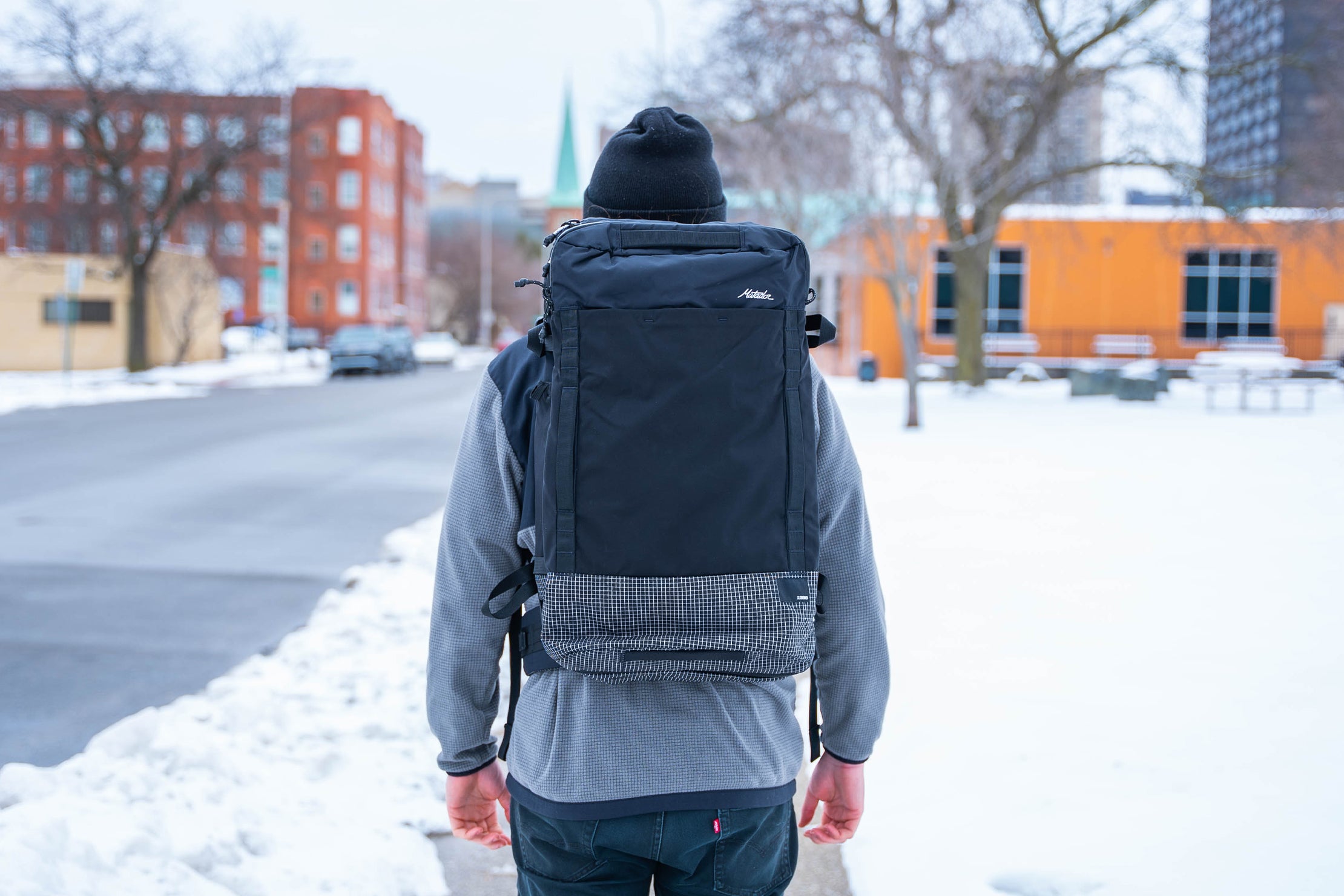
Your pack is the single most important fit decision on this trip — for a four-day hut walk you're looking at roughly 45–55 litres, and getting the torso length, hip belt and overall fit to your body right matters more than the brand. Many women find a women's-specific pack fit — shorter torso length and a hip belt shaped for a narrower waist-to-hip ratio — noticeably more comfortable over four days than a unisex pack sized down. It's worth trying a few on, loaded with weight, in-store before you commit.
A pack liner (a heavy-duty bag lining the inside of your pack) is the simplest way to keep everything dry through sea fog and rain — don't rely on your pack's rain cover alone. On Day 3 you can leave your main pack at the hut and walk out to The Blade with just a lightweight day pack, so a pack-down day pack is genuinely worth the small extra weight.
Check out our full range of women's specific packs.
Any Osprey pack or bag bought from us right now also puts you in the running for the Win a Hike With Osprey competition, with details just below.

Here are some of our recommended options for women hiking the Three Capes Track:
Main backpack (45–55L, women's fit):
- Osprey Eja 48 Women's Hiking Pack
- Osprey Aura 50L AG Women's Hiking Backpack
- Aarn Mountain Magic Pro 50L Unisex Hiking Backpack (highly customisable for a women's fit)
- Aarn Featherlite Freedom Unisex Hiking Backpack (highlighy customisable for a women's fit)
Pack liner:
- Osprey Ultralight Pack Liner
- Adventure Designs Lightweight Pack Liner
- Gossamer Gear Clear Waterproof Pack Liner (2 pack)
Packable day pack (for the Day 3 side trip):
- Osprey Ultralight Stuff Day Pack 18L
- Osprey Ultralight Dry Suff Pack 20L
- Sea To Summit Ultra-Sil Dry Daypack
Dry bags (for your sleeping bag and electronics):
Win a Hike With Osprey

Buying an Osprey pack for this trip? You could win the whole trip. Osprey's Win a Hike With Osprey competition is running now, and Backpacking Light is a Participating Retailer — any Osprey purchase with us makes you eligible to go in the draw to win!
The Grand Prize is a guided Three Capes Track experience for two, worth over $12,000!
Plus plenty more prizes. Ten runners-up each score a $1,000 Osprey credit voucher, and Osprey Daylite Plus backpacks, Ultralight Stuff Sacks, and Osprey hats are also being given away as Daily Prizes on every business day of the competition.
How to enter:
- Purchase any Osprey product from Backpacking Light, in-store or online — no minimum spend.
- Keep your receipt.
- Scan the QR code in-store, or head to www.hikewithosprey.com.au.
- Pop in your name and email.
- Upload a photo of your receipt showing the product, date, and place of purchase.
Competition Details
- Promotion period: 1 October 2026 – 12 November 2026
- Entries: one eligible entry per person, regardless of how many purchases you make
- Grand Prize: guided Three Capes Track trip for two, valued up to $12,970
- Also up for grabs: 10 x $1,000 Osprey vouchers, plus Daily Prizes drawn every business day
Grab your Osprey gear and get entering — full terms and conditions, including eligibility and prize claim details apply and are available at www.hikewithosprey.com.au.

Footwear
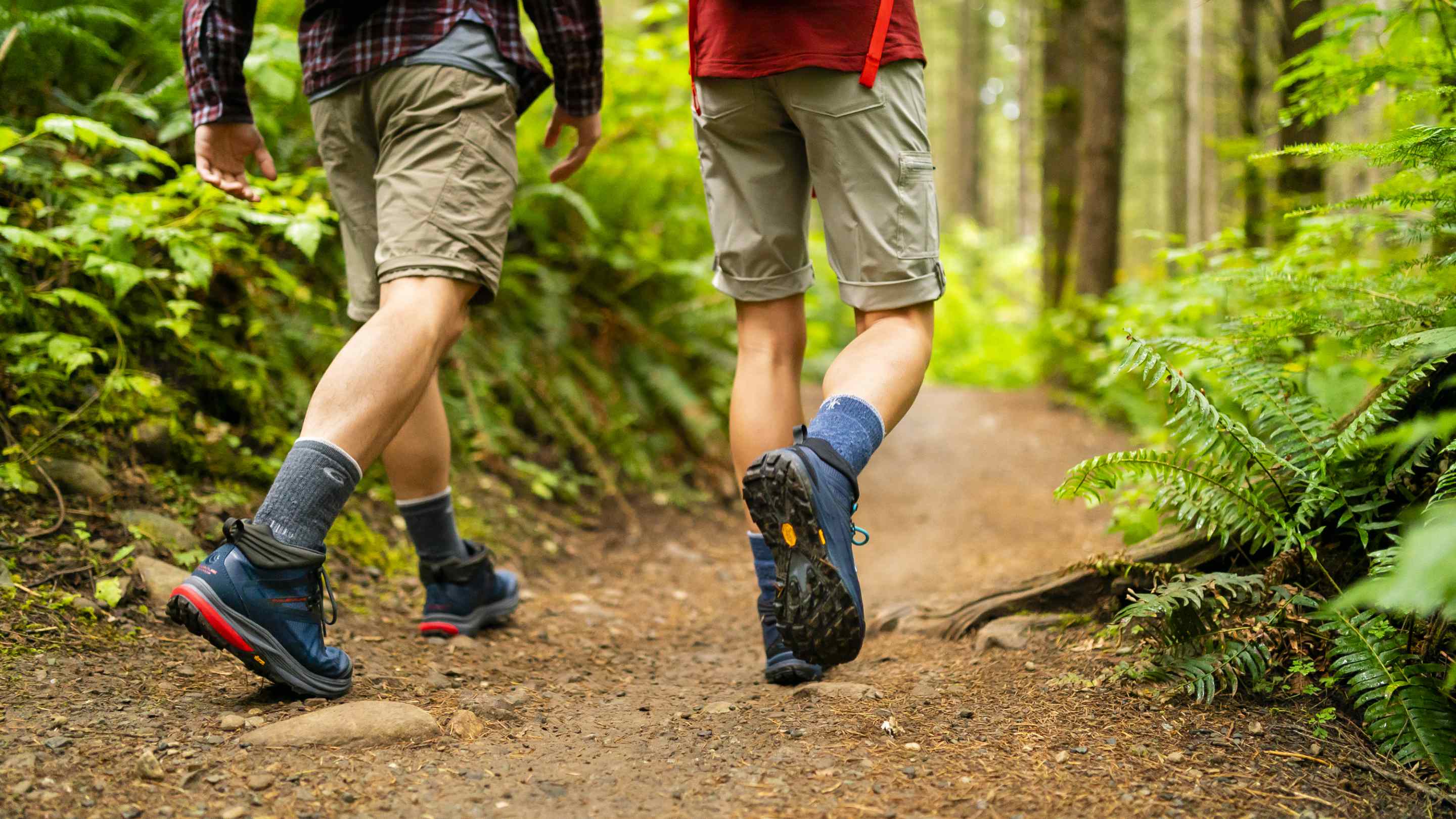
The track surface is on average 2m wide, and well-formed. There are some more exposed sections, particularly if you head out to The Blade (a side trip from Cape Pillar), with some steep and slippery sections — water-resistant shoes or boots with a sturdy sole are recommended, but if you have trail runners with good grip and tread that you trust and rely on for multi-day walks this would also be suitable. If you're new to hiking boots, break them in on a few shorter walks before the trip; four days is a long time to discover a hot spot. A lightweight pair of camp shoes (hiking sandals, thongs or similar) to change into at each hut is a genuine comfort upgrade after a full day in boots.
Hiking shoes or boots (women's, water resistant):
- Scarpa Mistral Women's Gore-Tex Boots
-
Topo Ultraventure 5 Women's Trail Shoes
- Inov8 Roclite Pro Mid GTX Women's Hiking Boots
Camp shoes or sandals:
- Xero Shoes Z-Trail EV Women's Sandals
- Xero Shoes Genesis Women's Sandals
- Bedrock Cairn Unisex Sandal
Gaiters
- Gaiters (for the warmer months for snakes)
Sleep System

As the huts provide bunk beds and very comfortable mattresses, all you need to bring is a sleeping bag and liner — no mat required (roll a spare fleece or down jacket inside your clothes for a pillow to save space, or pack an ultralight hiking pillow). A bag rated to around -5°C is recommended even outside the depths of winter, since Tasmanian hut temperatures can drop well below what you'd expect from the daytime forecast. The huts themselves are pretty well insulated though, and if your room is full you will also benefit from the shared body heat of others so keep that in mind when you decide how warm you need your sleep system to be.
As we highlighted earlier, women tend to sleep colder than a general rating assumes, so it's worth going for a genuinely women's-specific bag rather than a smaller version of a men's one — women's bags are cut differently (shorter, narrower shoulders, wider hips) and carry more insulation around the hips and feet, where women typically feel the cold first.
Sleeping bag (women's-specific, rated to approx. -5°C women's comfort rating):
- Sea to Summit Spark Down Sleeping Bag Women's
- Sea to Summit Ascent Down Sleeping Bag Women's
- Sea to Summit Trek Down Sleeping Bag Women's
Sleeping bag liner:
- Sea to Summit Silk Blend Sleeping Bag Liner
- Sea to Summit Reactor Sleeping Bag Liner
- Sea to Summit Comfort Blend Sleeping Bag Liner
Clothing — On the Track

Layering is the whole game on this walk. A genuinely waterproof, windproof, breathable rain jacket and overpants are non-negotiable given how quickly the weather turns on exposed sections like The Blade and Cape Pillar. Underneath, merino or polypropylene thermals hold their warmth even when damp, which cotton and denim simply can't do — the Parks Service is explicit that jeans have no place on this track. A well-fitted women's rain jacket and thermal set will generally sit better under a loaded pack's shoulder straps and hip belt.
Waterproof rain jacket with hood:
- Patagonia Torrent Shell 3L Waterproof Jacket Women's
- Montane Norste XT Jacket Women's
- Montane Torren Jacket Women's
- Montane Phase Lite Jacket Women's
Waterproof overpants:
-
Patagonia Torrentshell 3L Waterproof Overpants Women's
- Montane Norste Lite Waterproof Pants Women's
- XTM Stash Packable Unisex Waterproof Pants
Fleece or merino mid layer:
- Montane Protium Fleece Jacket Women's
- Patagonia R1 Air Fleece Full-Zip Hoodie Women's
- Montane Protium Fleece Lite Hoodie Women's
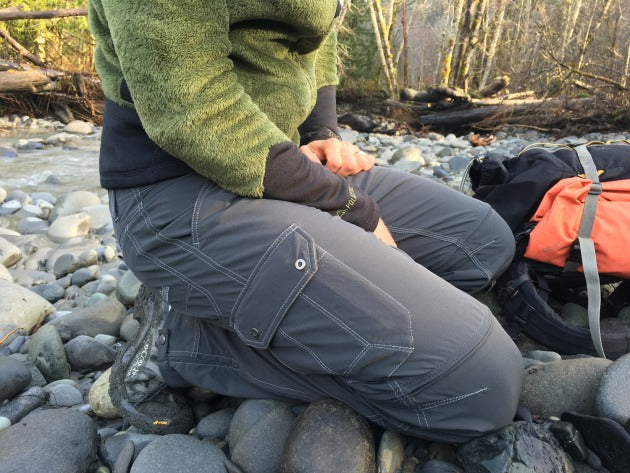
Quick-dry walking trousers or shorts:
- Montane Terra Stretch Pants Women's
- Patagonia Quandary Pants Women's in Regular and Short
- Kuhl Freeflex Roll-Up Pants Women's (in Regular and Short)
Merino or polypropylene thermal top and leggings:
- Smartwool Classic Thermal Merino Baselayer Crew & Bottom Women's
- XTM Merino 230 Long Sleeve Top & Pants Women's
- Montane Malli Merino Long Sleeve Zip T-Shirt & Leggings Women's
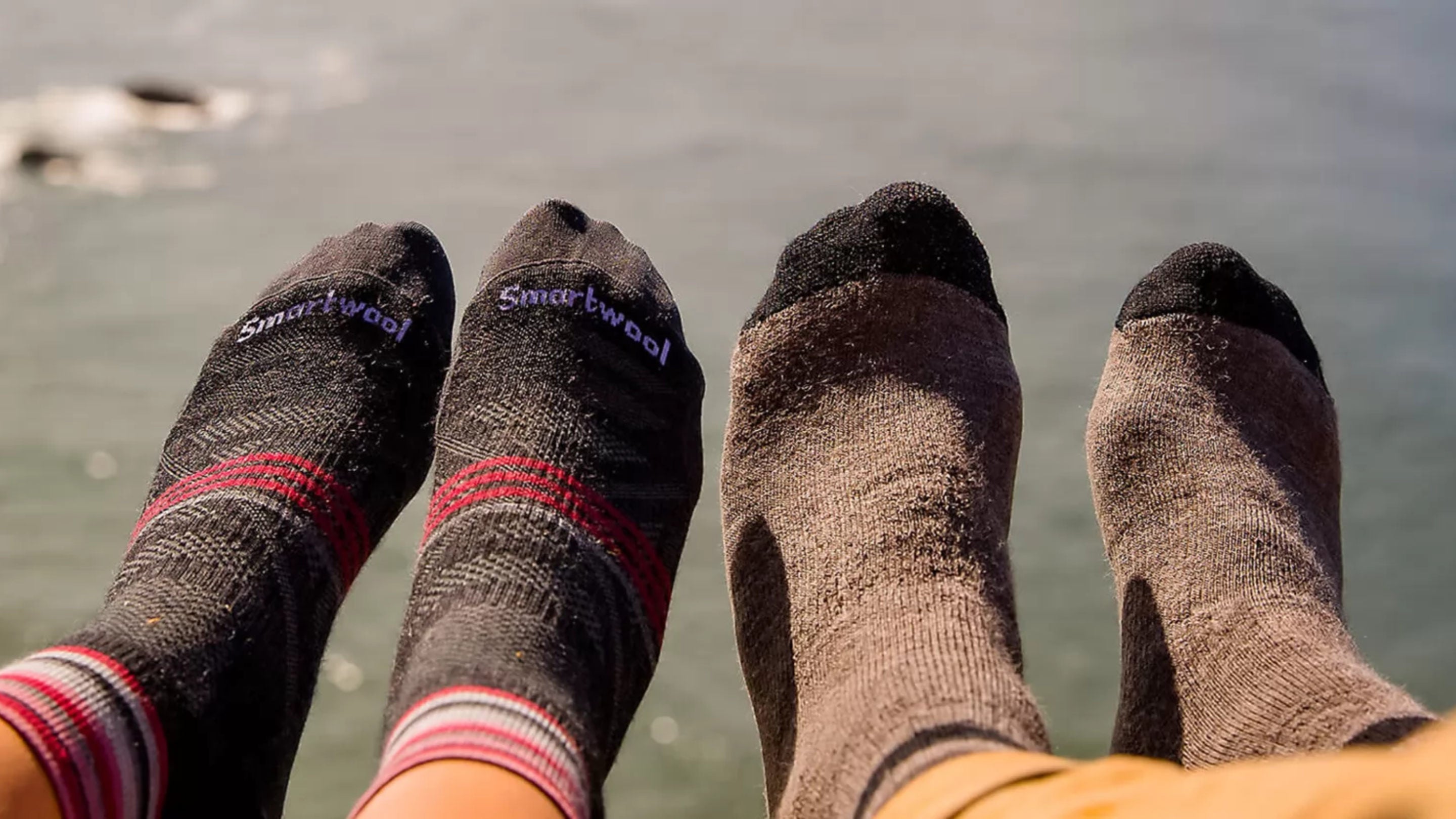
Hiking socks (bring a spare pair or two):
- Smartwool Hike Full Cushion Crew Women's
- Bridgedale Hike Midweight Merino Comfort Boot Sock Women's
- Smartwool Hike Light Cushion Mid-Crew Sock Women's
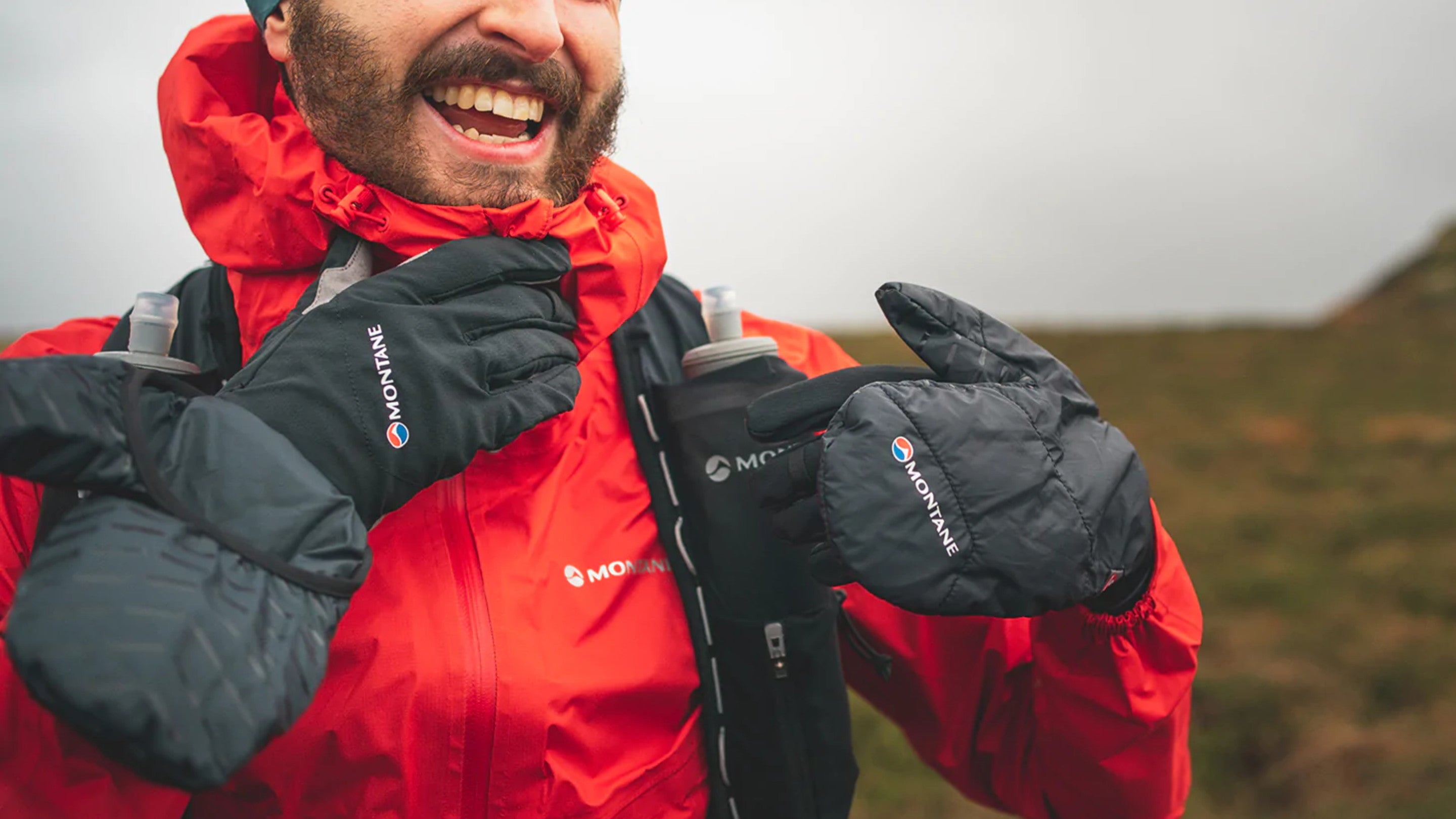
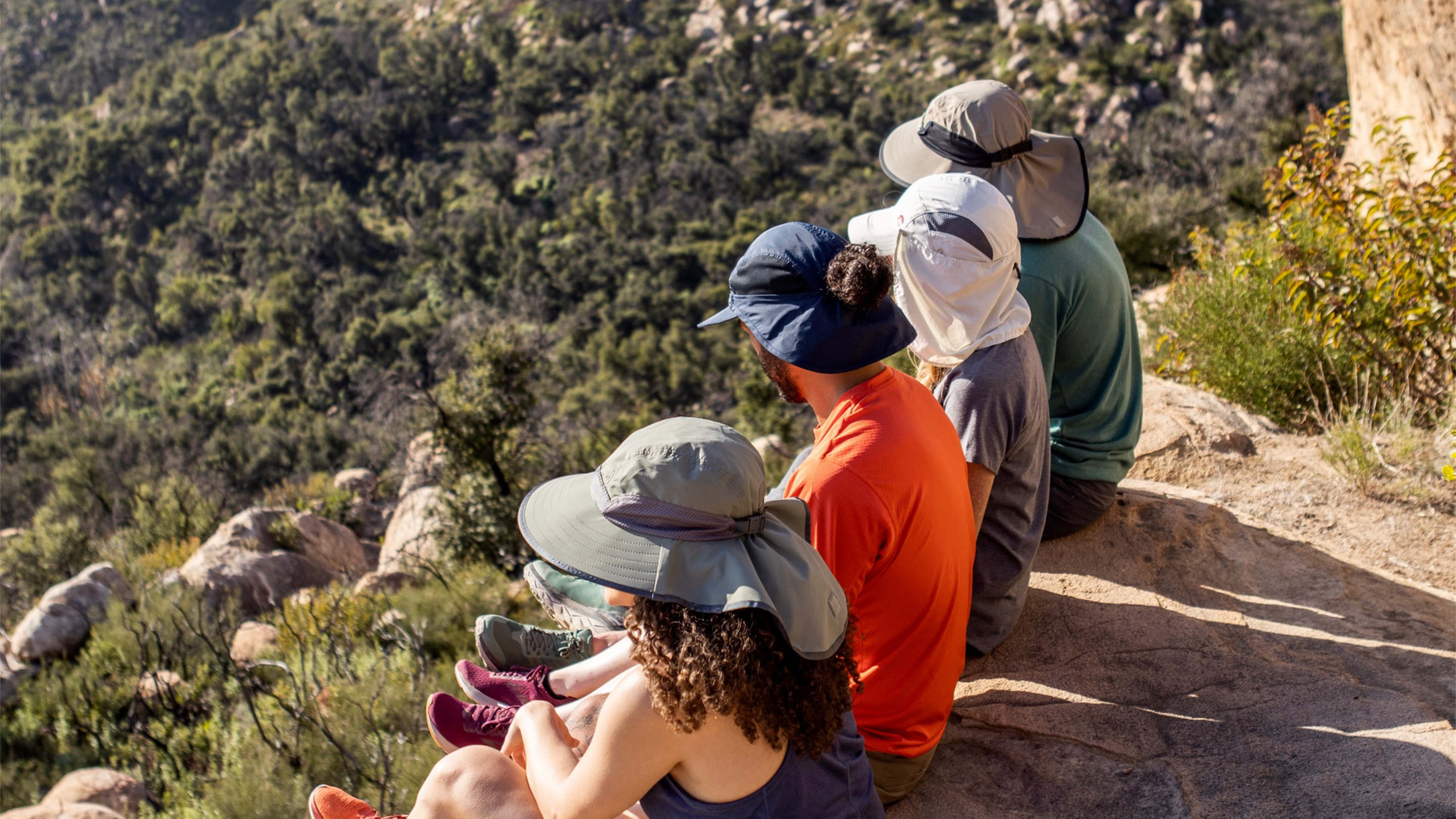
Beanie, gloves, and sun hat:
- Montane Dart XT Beanie with Montane Protium Stretch Fleece Gloves Women's
- Patagonia Powder Town Beanie with Extremities Merino Touch Liner Glove
- Kuhl Sunshade Hat Women's or Cotopaxi 5 panel Hat
Clothing — Evenings & Camp

While the cooking huts are heated, the sleeping huts aren't and the temperatures can cool down fast once the sun goes down. A warm jacket, a dry base layer, and warm long pants to change into make a real difference to how well you sleep and recover for the next day's walking. If you want to take advantage of the stunning sunsets and sunrises at each hut having a warm layer to wear while you sip your tea and watch the sunrise is also a win!
Warm insulated jacket (down, synthetic, or merino):
- Montane Anti-Freeze Down Hoodie Women's
- Montane Protium XT Fleece Hoodie Women's
- Patagonia Down Sweater Women's
Baselayer and Pants:
- Montane Fury Fleece Pants Women's
- XTM Merino 200 Pants Women's
- XTM Merino 200 Long Sleeve Top Women's
Toiletries & Personal Care
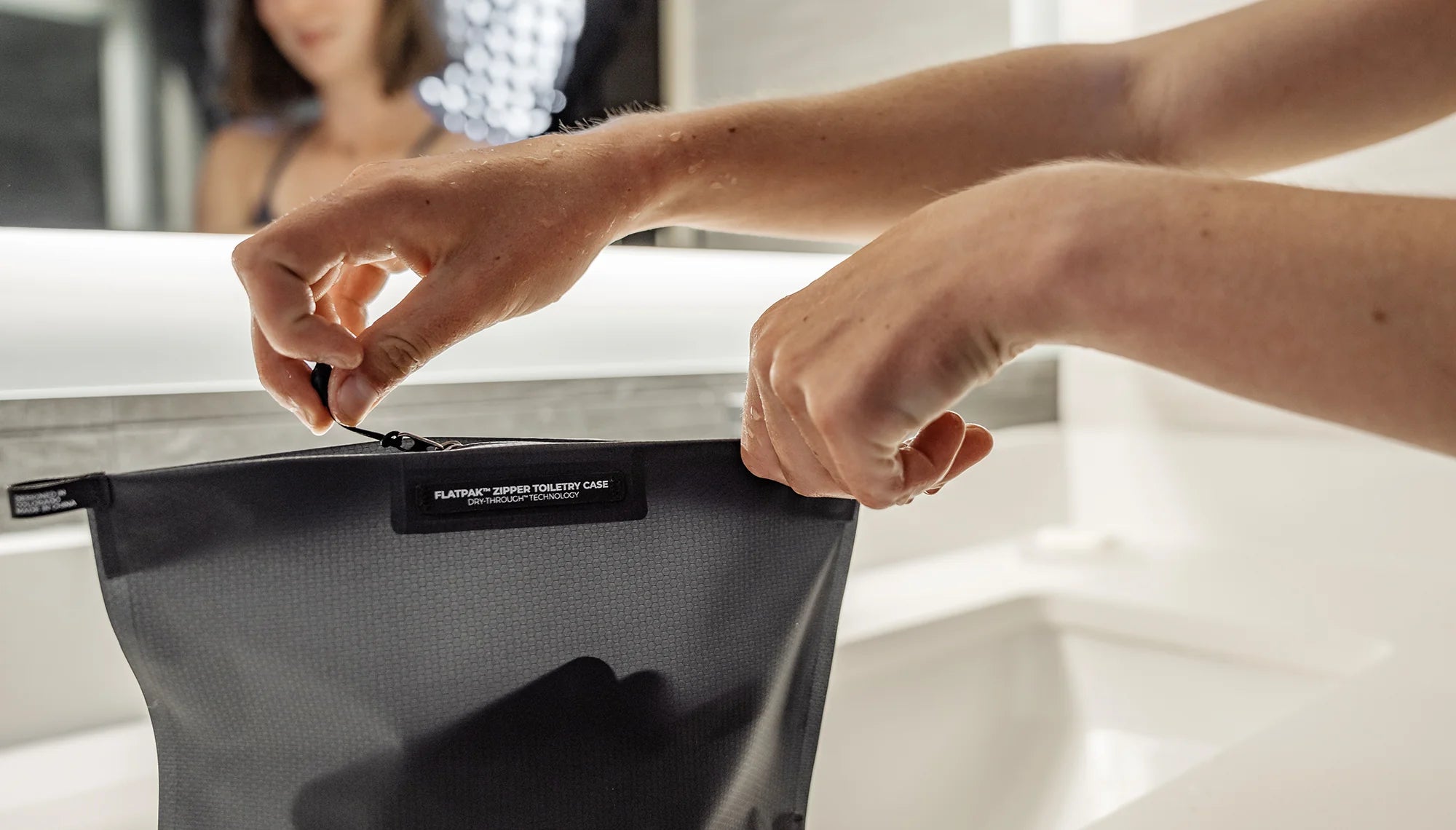
The huts provide toilet paper at each overnight site, rainwater, and antibacterial soap, so you can pack fairly light here — though a trowel is still worth carrying in case you need to go track side between huts. You can opt for a small roll of toilet paper in a ziplock bag or something like the Kula Cloth if you want to save weight and rubbish. If you go the toilet paper option remember to pack out any paper waste. Ear plugs are on the official list for good reason if you're sharing a bunk room. There is also a bush shower on the second night, and a paid shower at the end of the track so a lightweight hiking soap and towel is also handy.
Lightweight, quick-dry travel towel:
Toiletries:
Sunscreen is definitely a must, but we would recommend decanting this into a smaller hiking tub or tube to save weight.
Trowel, for trackside toileting:
Food, Water & Camp Kitchen

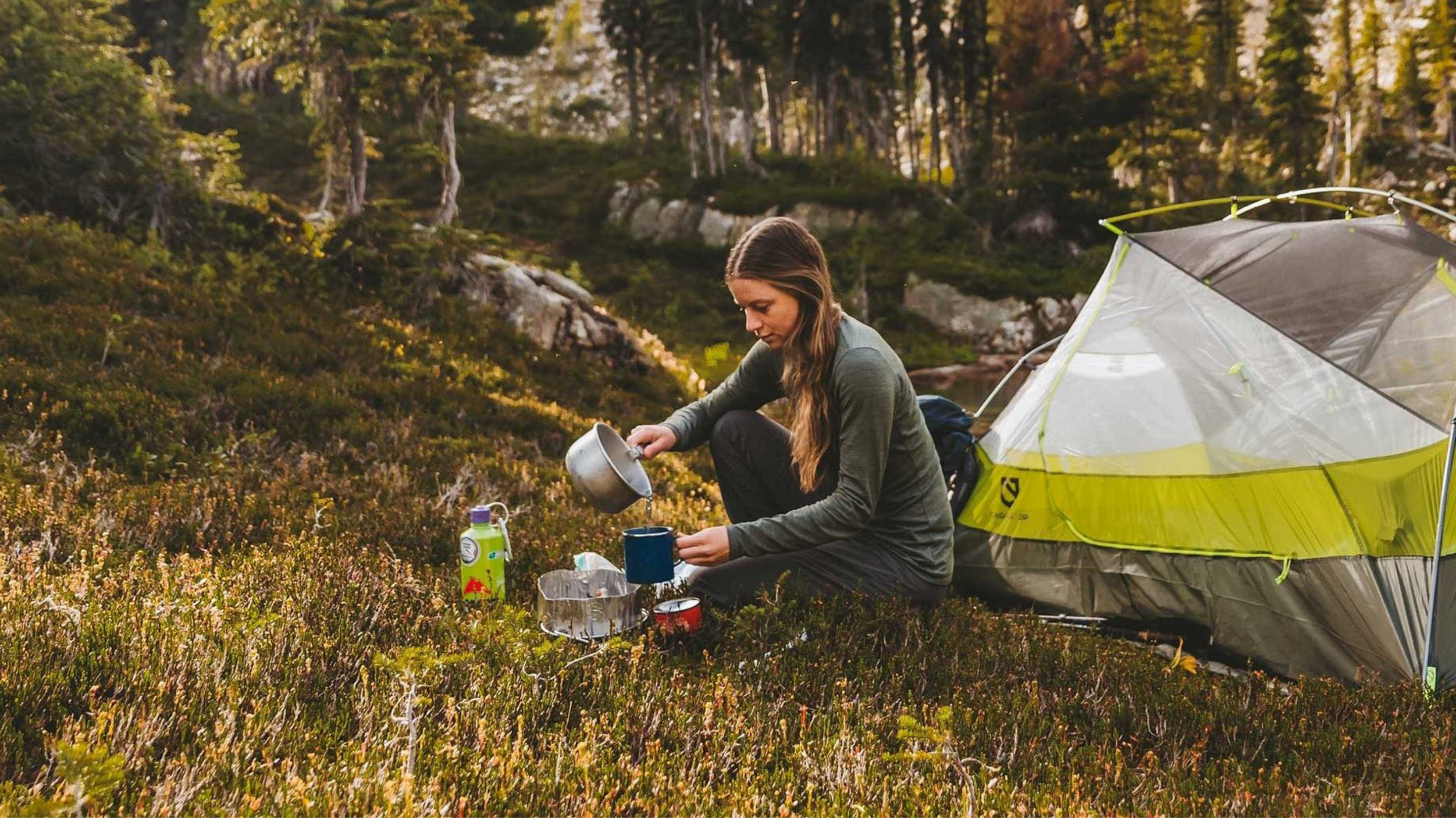
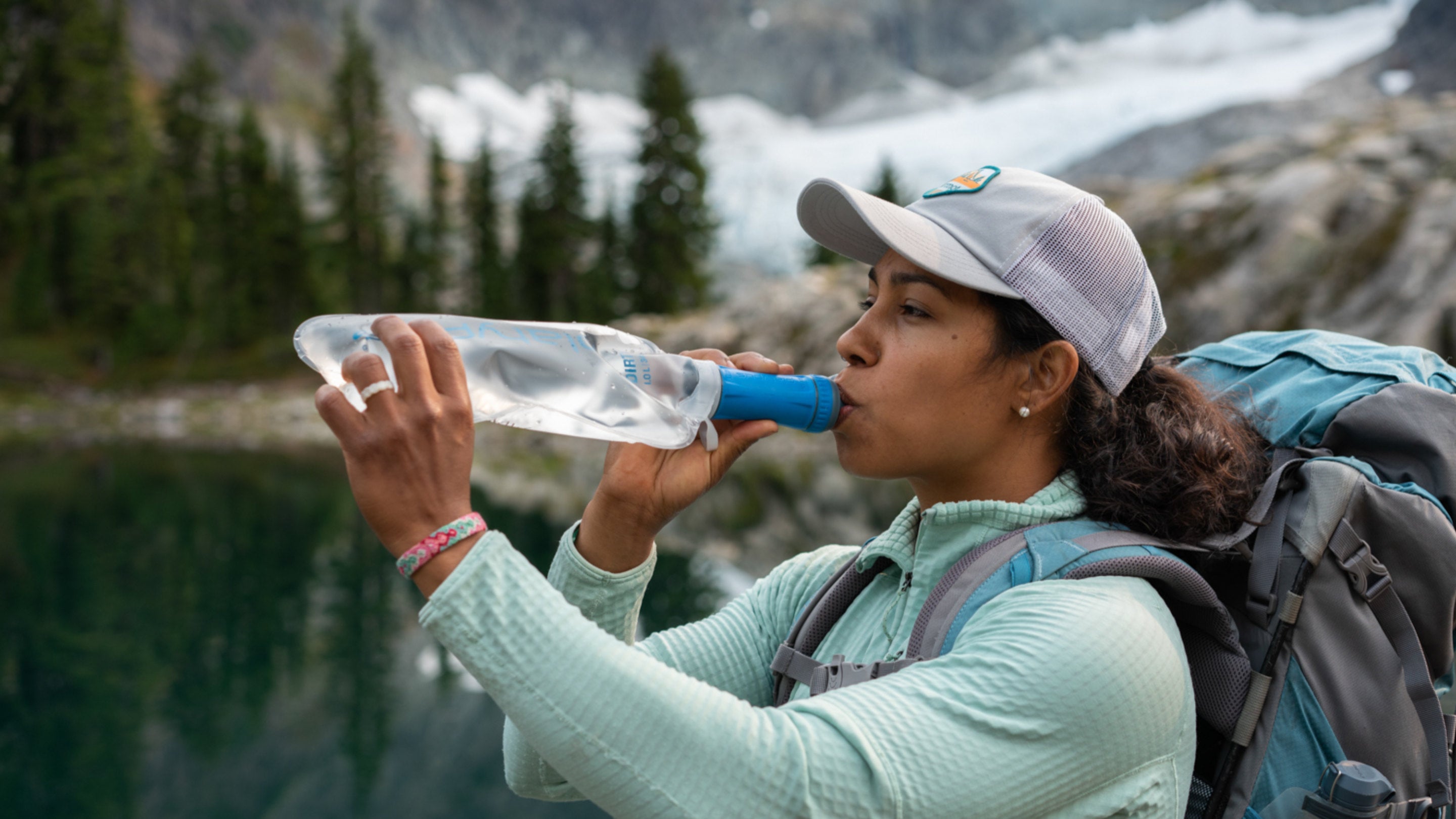
Huts come with gas cooktops, basic pots, pans, and kettles, so you don't need to carry a stove or cookware — just your own bowl, plate, and cutlery, plus enough meals for the trip (roughly three breakfasts, four lunches, and three dinners for the standard itinerary, plus snacks). A 2 litre water carrying capacity is recommended, topped up from the rainwater tanks at each hut.
Water bottles or bladder (2L total capacity):
Lightweight bowl, mug, and cutlery set:
- Sea To Summit Frontier Ultralight Collapsible Bowl
- Sea To Summit Frontier Ultralight Collapsible Cup
- Sea To Summit Frontier Ultralight Spork
- Toaks Titanium Long Handled Spork
- Gerber Paraframe Mini Knife
- Victorinox Bantam Alox Pocket Knife
Dehydrated trail meals:
- Real Meals range (e.g. Beef Stroganoff, Wilderness Stew)
- Campers Pantry range (e.g. Tangy Lentil Curry, Penne Bolognese)
- Back Country Cuisine range (e.g. Spaghetti Bolognaise, Honey Soy Chicken)
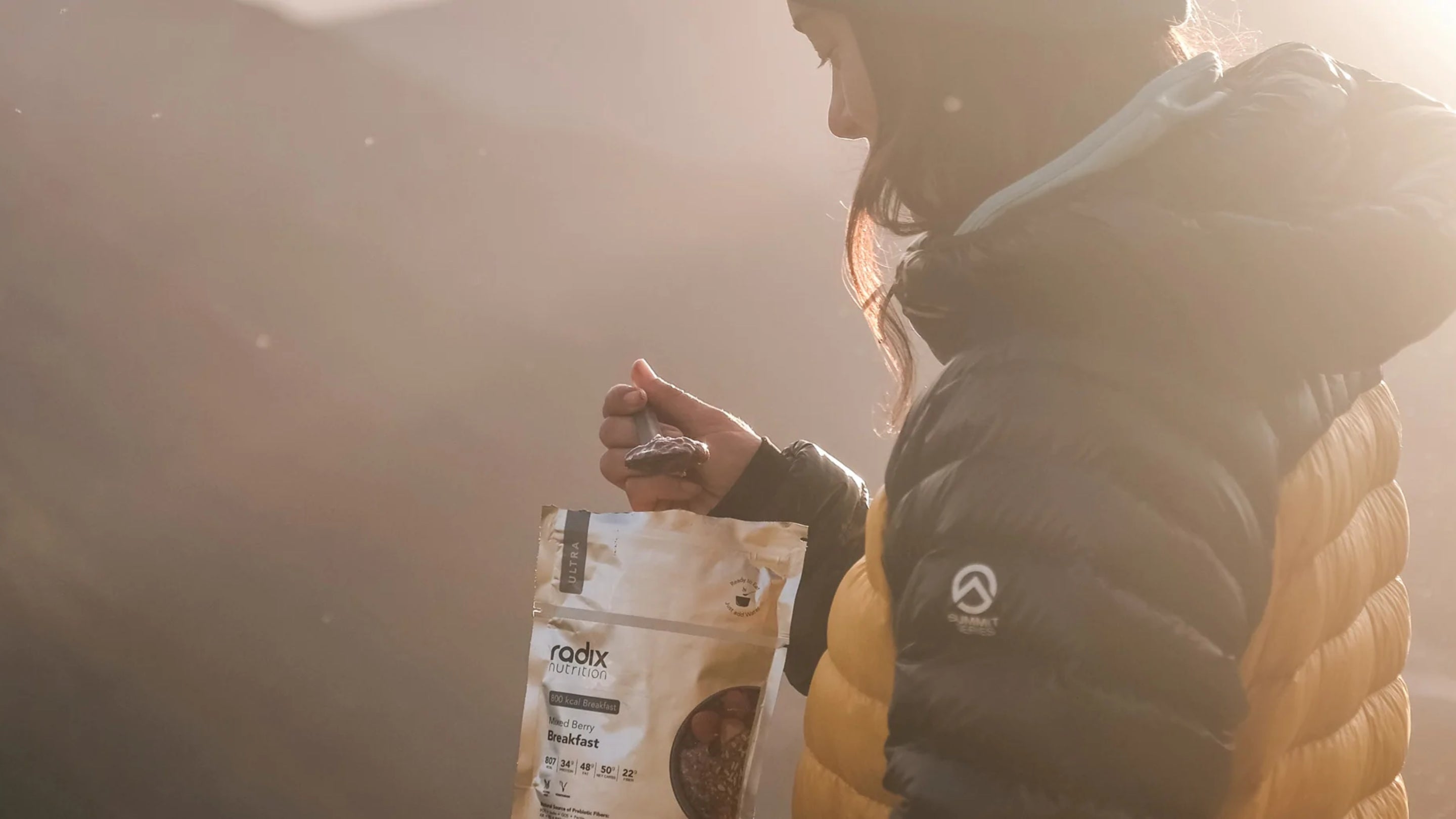
- Radix range (e.g. great gluten free and vegan options)
Safety & Navigation
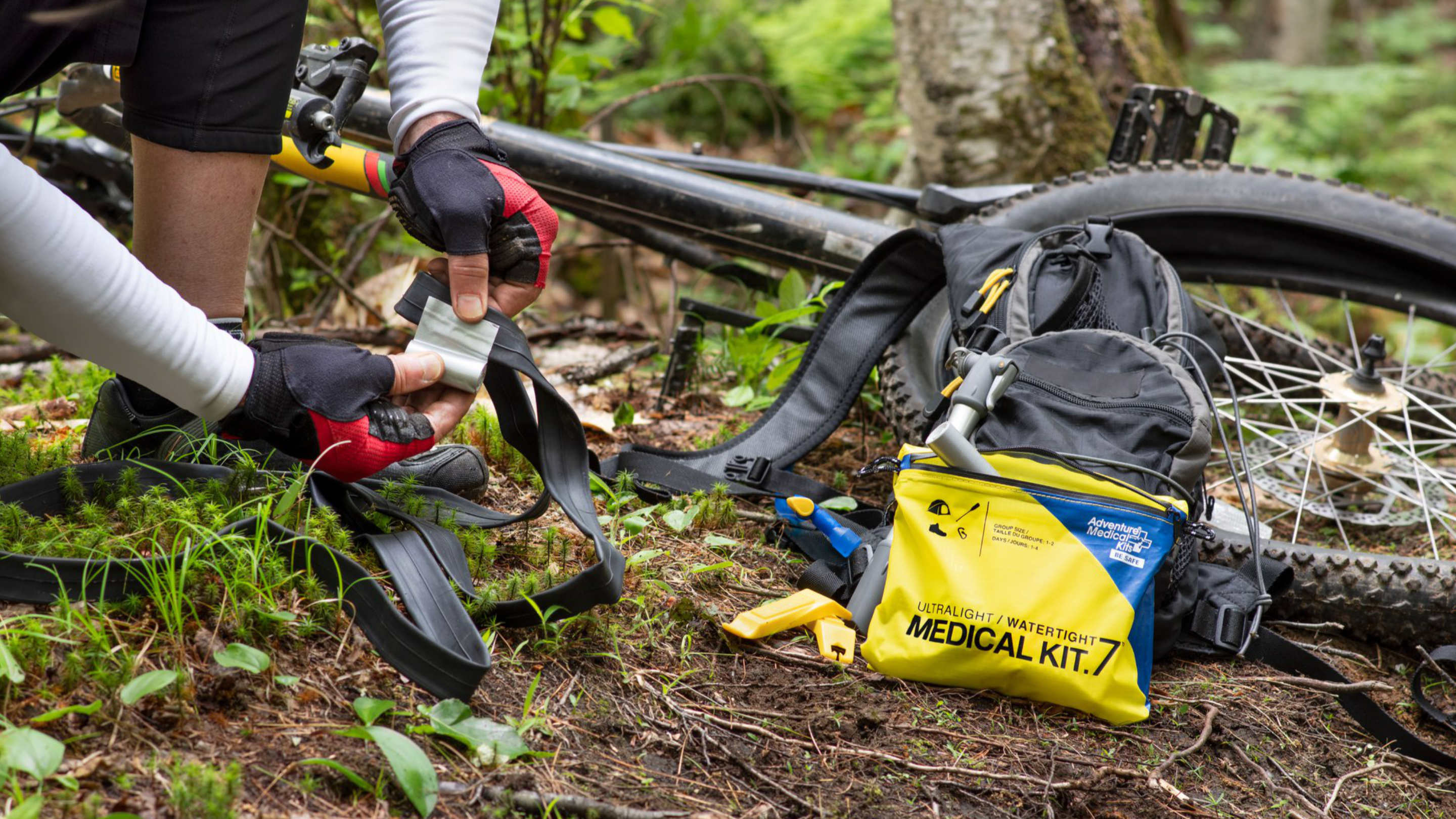
A head torch is essential for moving around huts after dark, and for inside your bunk room as there are only lights in the main cooking huts. A compact first aid kit covering blisters, cuts, and any personal medication is standard for a multi-day walk in this sort of environment. Carry your ID and keep any personal medication easily accessible.
Head torch, with spare batteries:
- Nitecore NU25 MCT UL 400 Lumens Ultralight Headlamp
- Nitecore NU20 Classic 360 Lumens Ultralight Headlamp
- BioLite Range 400 Headlamp
Compact first aid kit:
- AMK Ultralight/Watertight First Aid Kit .5
- AMK Ultralight/Watertight First Aid Kit .3
- AMK Mountain Hiker First Aid Kit
- Snake bite bandage kits
Optional Extras
None of these are essential, but they're worth the small extra weight for most walkers. Walking poles genuinely help on the steeper descents, and the wildlife-watching on this track — albatross, sea eagles, whales, and seals depending on the season — makes binoculars a nice-to-have rather than a gimmick.
Adjustable walking poles:
- Black Diamond Trail Trekking Poles
- Black Diamond Trail Cork Trekking Poles
- Komperdell Highlander Zero Trekking Poles
Compact binoculars:
- Nocs Provisions Standard Issue Binoculars
- Nocs Provisions Field Issue Binoculars
- Nocs Provisions Zoom Tube 8x32 Monocular
Good to Know Before You Go
Biosecurity: The Three Capes Track is currently free of several pests and diseases, including root rot, didymo algae, and myrtle rust. Check, clean, and dry your boots, poles, and gear before you start, and use the boot washdown stations at Denmans Cove and the Cape Pillar junction.
Pack it out: Whatever you carry in, you carry out — remove excess packaging before you leave and bring snap-lock bags to contain food and rubbish.
Which Gear Should You Choose?

If you're building a Three Capes kit from scratch, start with the two decisions that matter most for four days on your feet: a well-fitted pack and a reliable rain jacket and overpants combo. Everything else on this list — thermals, a warm evening layer, and a decent sleeping bag — is about staying warm and dry once the Tasman Peninsula's weather does what it's known for. Because the huts take care of shelter, cooking, and water, you can travel lighter here than on most multi-day walks, which makes it a genuinely approachable first hut-to-hut trip if you're new to overnight hiking.
Browse our full range of hiking and overnight trekking gear at Backpacking Light, and subscribe to our newsletter for more trail-specific packing guides like this one.
Don't forget to enter the Three Capes Track Osprey promotion if you purchase any Osprey gear during the promotional period!
Several photos courtesy of Caitlyn from @girlseekingpurpose and the rest of the Girls With Altitude @girls.with.altitude group who recently completed the Three Capes Track.