








Meet Remote Repairs: The Team Keeping Your Gear Out of Landfill
If you've ever sent a jacket or tent back to us for a warranty repair, chances are it's ended up on a workbench at Remote Repairs. We've worked with them for years on repairs for our customers, and given how much we talk about buying gear that lasts, we thought it was time to sit down with them properly. We asked owners Jackie and Ray King about the business, what can and can't be saved, how to look after your gear so it doesn't end up needing a repair in the first place, and what to throw in your pack for when something fails on trail. Here's what they had to say.

Remote Repairs, By the Numbers
Before we get into the details, here's a snapshot of the scale Jackie and Ray's team operates at:
- Founded: 1993, taken over by Jackie and Ray King in 2010
- Team size: 12, including 6 full-time repairers with an average of 30 to 40 years' sewing experience each
- Repairs completed in 2025: over 38,000, roughly 800 a week
- Lifetime repairs: well over 300,000 individual items
- Estimated textiles saved from landfill: almost 200 tonnes
- Brand partnerships: 40+ outdoor brands, plus a long list of independent stores across Australia

Who Are Jackie and Ray?
Outside of the workshop, Jackie and Ray are outdoors people themselves, spending years travelling around Australia camping, fishing, and getting out on their small boat. Jackie puts a lot of the industry's shift toward repair over the last six years down to outdoor brands themselves pushing harder on repair options and lifetime traceability, on top of a community that's generally had a solid repair mindset from the start.
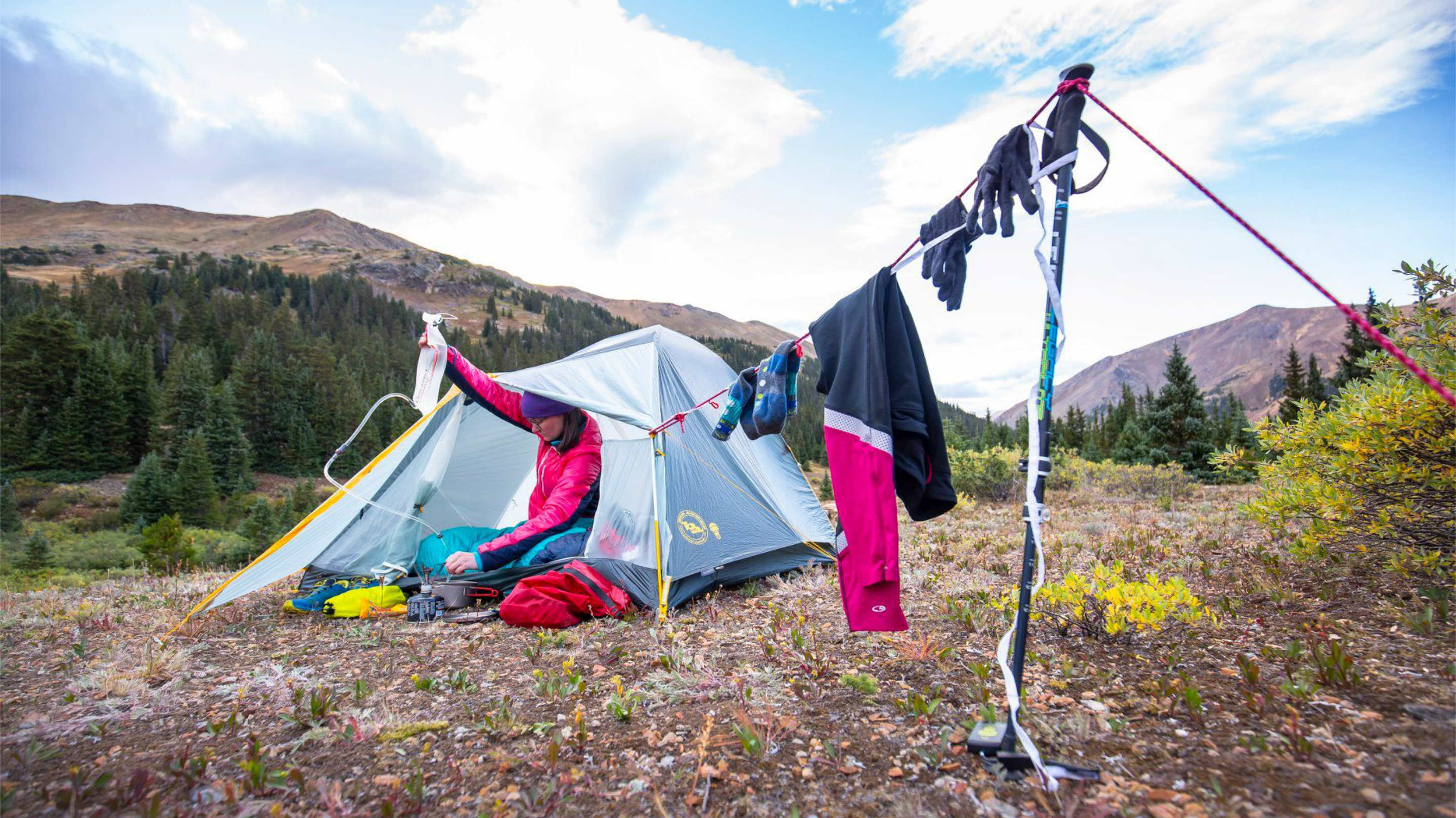
The repair job they still talk about: a Swedish couple in their sixties, cycling around the world, who damaged their tent somewhere in the USA after riding from Alaska through Canada and down to California. They tracked down Remote Repairs the day they landed in Australia, cycled straight to the workshop, had the tent fixed on the spot, and rode off to keep going, with thousands of kilometres still ahead of them.
What Remote Repairs Can (and Can't) Fix
Down gear is Remote Repairs' bread and butter, and the team can fix the vast majority of issues that come through the door, including full panel replacements with closely matched fabric. Technical waterproof fabrics are more of a judgement call:
- Usually fixable: torn or holed down jackets, some other tears and seam failures
- Sometimes beyond saving: waterproof jackets and tent flys once the fabric membrane or inner coating has broken down
- Not handled in-house: shoe repairs (referred to Walkalong in Camberwell) and wetsuits (referred back to the brand, or to cottage repairers on the surf coast)
Anything that genuinely can't be repaired doesn't necessarily go to waste. Remote Repairs reuses trims and parts from damaged jackets in other repairs, and turns offcuts from old rain jackets and tents into new, fully functional bags, giving unfit gear a second life rather than sending it straight to landfill.

Materials are a moving target, too. New fabrics and hardware are constantly showing up as brands evolve their gear, and the ultralight trend in particular has raised the bar: with gear this light, discreet, well-executed repairs demand genuinely fine textile skills, which the team has leaned into rather than shied away from.
The "I Thought This Was Ruined" Moment
According to Jackie, the most common gear people assume is beyond help is a torn down jacket. Down is fragile, and a stray campfire spark or a tear from something sharp can send feathers everywhere fast, to the point where the jacket looks unusable. But Remote Repairs can often replace whole panels and match the original fabric almost exactly, thanks to the fabric support they get from partner brands. Customers are consistently, in Jackie's words, "stoked" to get an expensive puffer back in action rather than writing it off.

Gear Care 101: Avoiding the Repair Altogether
A surprising amount of what comes through Remote Repairs' door could have been avoided with basic care. Jackie's biggest bugbear is people who buy expensive, technical rain jackets and never wash them, letting sweat, sunscreen, makeup, and body oils build up in the fabric and break down the waterproof membrane far faster than most people expect.
What's DWR, and why does it matter? DWR (durable water repellent) is the coating on a rain jacket or tent fly that makes water bead up and roll off the fabric surface, rather than soaking in. It wears down with regular use, washing, and exposure to dirt and body oils, which is why a jacket that used to shed rain suddenly starts "wetting out." Reproofing restores that coating and is a normal, expected part of maintaining technical gear, not a sign something's gone wrong.
Rain jackets and shells:
- Wash after roughly 20 wears, or straight after a multi-day hike
- Wash after experiencing heavy rain exposure 3 or 4 times, or intense physical exercise or heavy use
- After washing, throw them in the tumble dryer so the heat can re-set the DWR (durable water repellent) coating, which is what keeps moisture beading off rather than soaking in
Down jackets:
- Can go longer between washes, though campfire smoke lingers in down until it's properly washed
- The tricky part is drying, not washing: tumble with plenty of movement so the down clusters separate as they dry
- Skip that step and the down clumps, loses loft, and stops keeping you warm

For products, Remote Repairs uses a spray-on DWR treatment applied after washing, and uses a standard phosphate-free powder for washing on rain wear. It's a good reminder that technical wash and waterproofing products are designed to work together, and picking the right combination for your gear matters more than reaching for whatever's in the laundry cupboard. Our wash and waterproofing range is worth a browse if you want to get set up properly.
Sending an Item In: What Helps (and What Doesn't)
The process at Remote Repairs is straightforward. When an item arrives, the team assesses the issue, documents it, and puts together a quote, which is sent to the customer before any work begins. Once you confirm you'd like to proceed, the item is queued, with a rough two-week turnaround from assessment to dispatch.
Before you send something in:
- Wash the item and make sure it's completely dry. Heavily soiled gear won't be worked on until it's clean; mould and other contaminants are a genuine hygiene risk
- Don't send in a muddy or dusty tent or pack as-is, since it can damage the machines used for repairs
- Mark the damage clearly with tape or a ribbon, especially on large items like tents, so the team isn't hunting for small tears across a big surface area
Building a Field Repair Kit
When something fails mid-trip, Jackie's advice is simple: do your best, and try not to make the problem worse. A well-stocked kit doesn't need to be heavy or complicated, just enough to get you through to your next resupply or home.
The essentials, according to Remote Repairs:
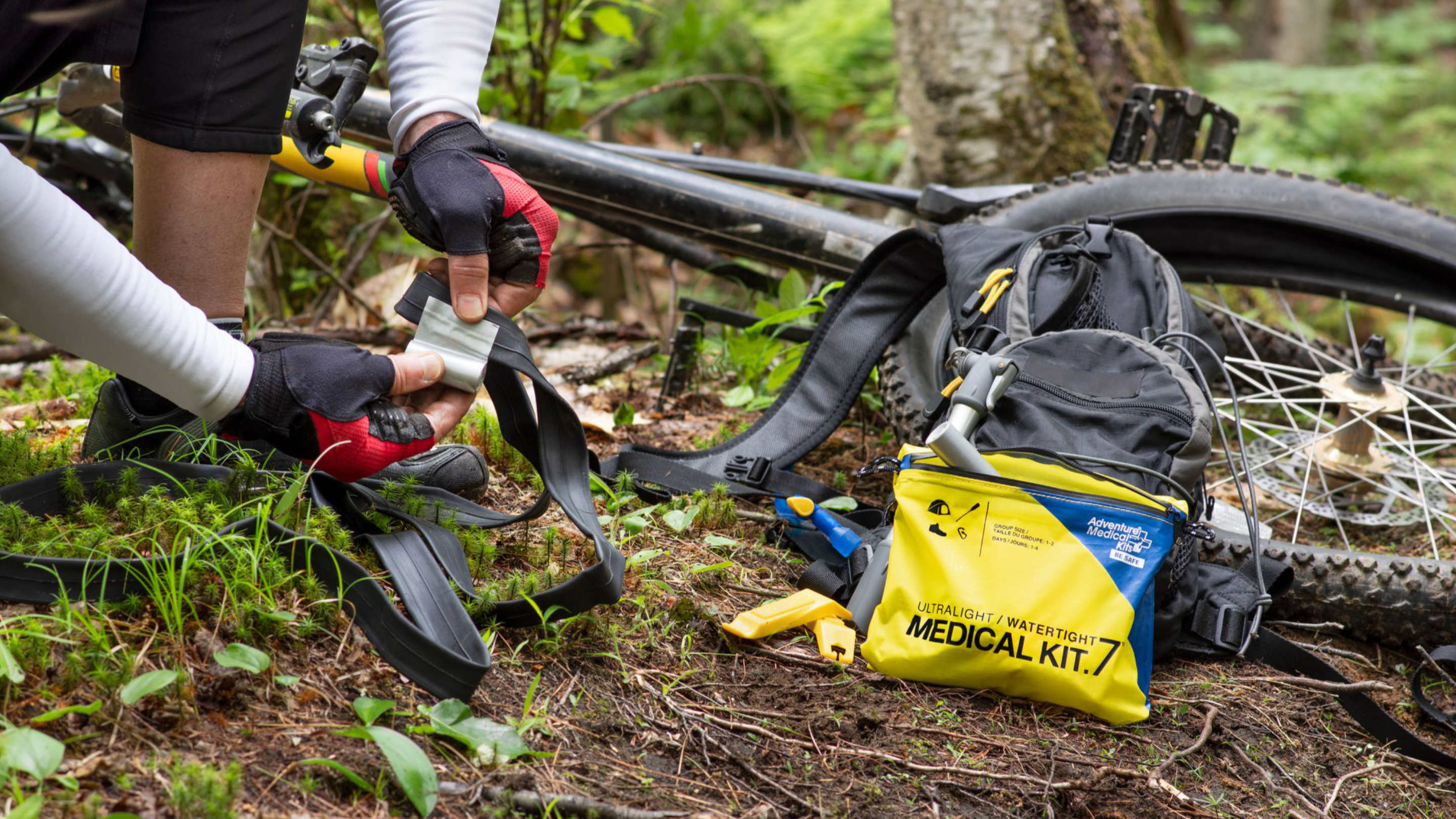
- Duct tape or tenacious repair tape — the single most versatile item in a repair kit. Stops down loss from a torn jacket, patches a rain jacket tear, holds a pack together, or slows a leaking air mat
- Paracord or string — useful alongside tape for improvising most short-term fixes, from a broken pack strap to a snapped shoelace
- A small multi-tool or needle and thread — for anything tape can't hold, like a torn seam or a broken buckle
- Spare tent pole sleeve — a pre-cut length of tubing that slips over a snapped pole section, so you're not improvising with a stick or tent stake in the dark
Our field repair range is worth a browse if you want to put a proper kit together before your next trip.
Jackie also flags a couple of habits worth knowing: splint or sleeve a broken tent pole rather than forcing it, so you don't damage the tent fabric further, and if you're taping a repair yourself, avoid tape that leaves a heavy residue, since that makes a proper repair harder once you're back and sending the item in.
One thing to avoid: glue or liquid seam sealant on a rain jacket if the factory-taped seams start to fail. Once that's been applied, it's not something Remote Repairs can fix afterwards, so it's better to patch the leak with tape in the field and have the seams professionally retaped later.

The Takeaway
Talking to Jackie and Ray, the theme that comes through again and again is that most gear failures are more fixable than people assume, and a lot of them are avoidable in the first place. A bit of regular washing and reproofing, a properly packed field repair kit, and knowing when to send something in rather than write it off can add years to the gear you've already invested in.
If something's damaged beyond a DIY fix, get in touch with us about warranty repairs through Remote Repairs. And if you want to get ahead of it, our range of repair and care essentials has everything you need to keep your gear going for longer.
Enjoyed This One?
Subscribe to our newsletter for more gear care tips, repair advice, and stories from the brands and people we work with, straight to your inbox.